
 1754Conflict on the Continent: An International Tug-of-War
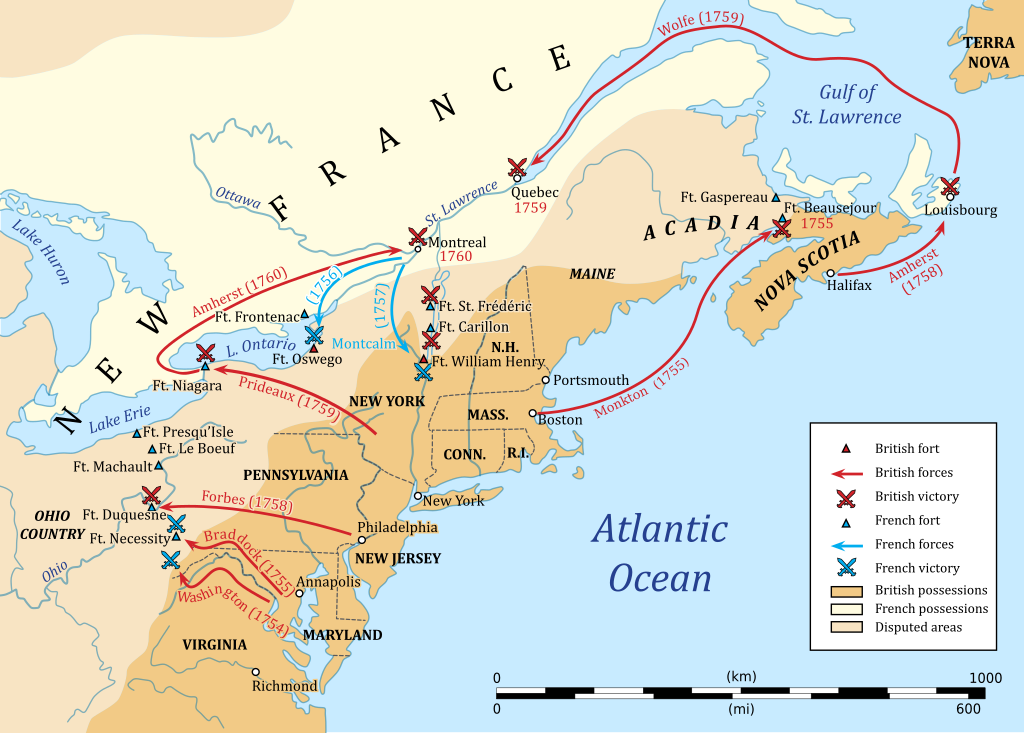
In 1754, the French and Indian War broke out as France and Britain fought to control North America.
Britain dominated the east coast where they established settlements throughout what later became known as the American Colonies.
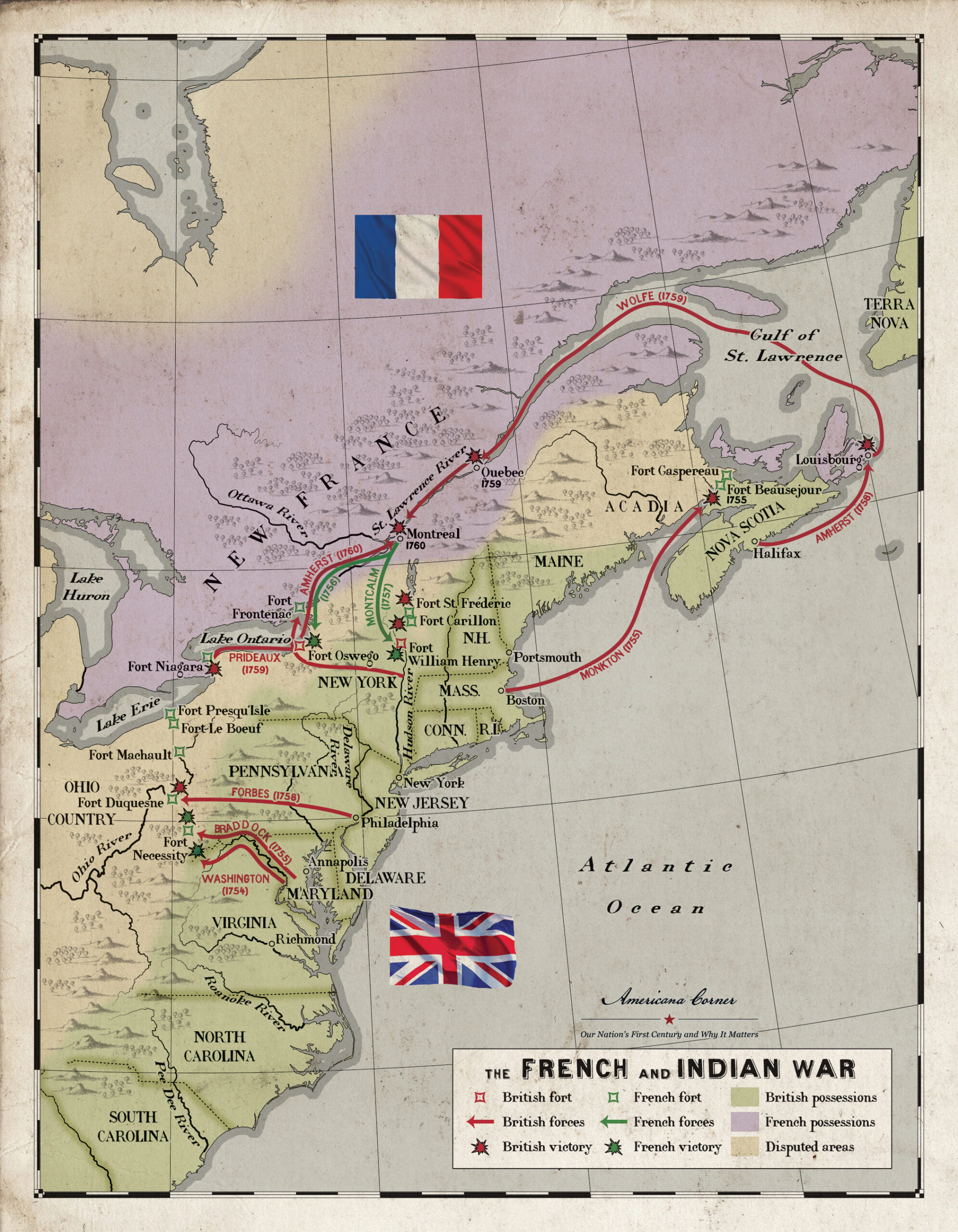
The French hoped to contain Britain in the east by establishing a series of outposts in the Ohio country that linked their claims in Louisiana in the south with Canada and the Great Lakes region in the north.
- George Washington’s Failed Mission1753
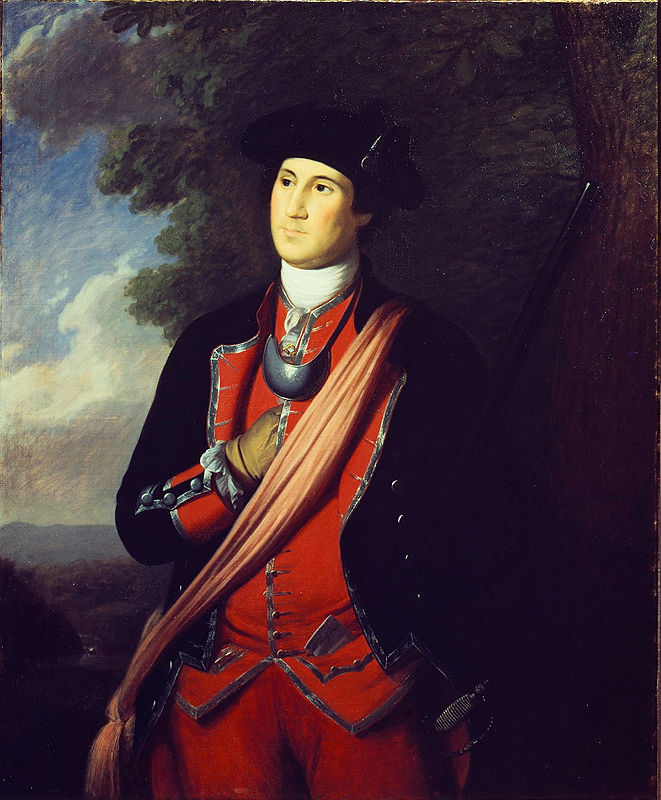
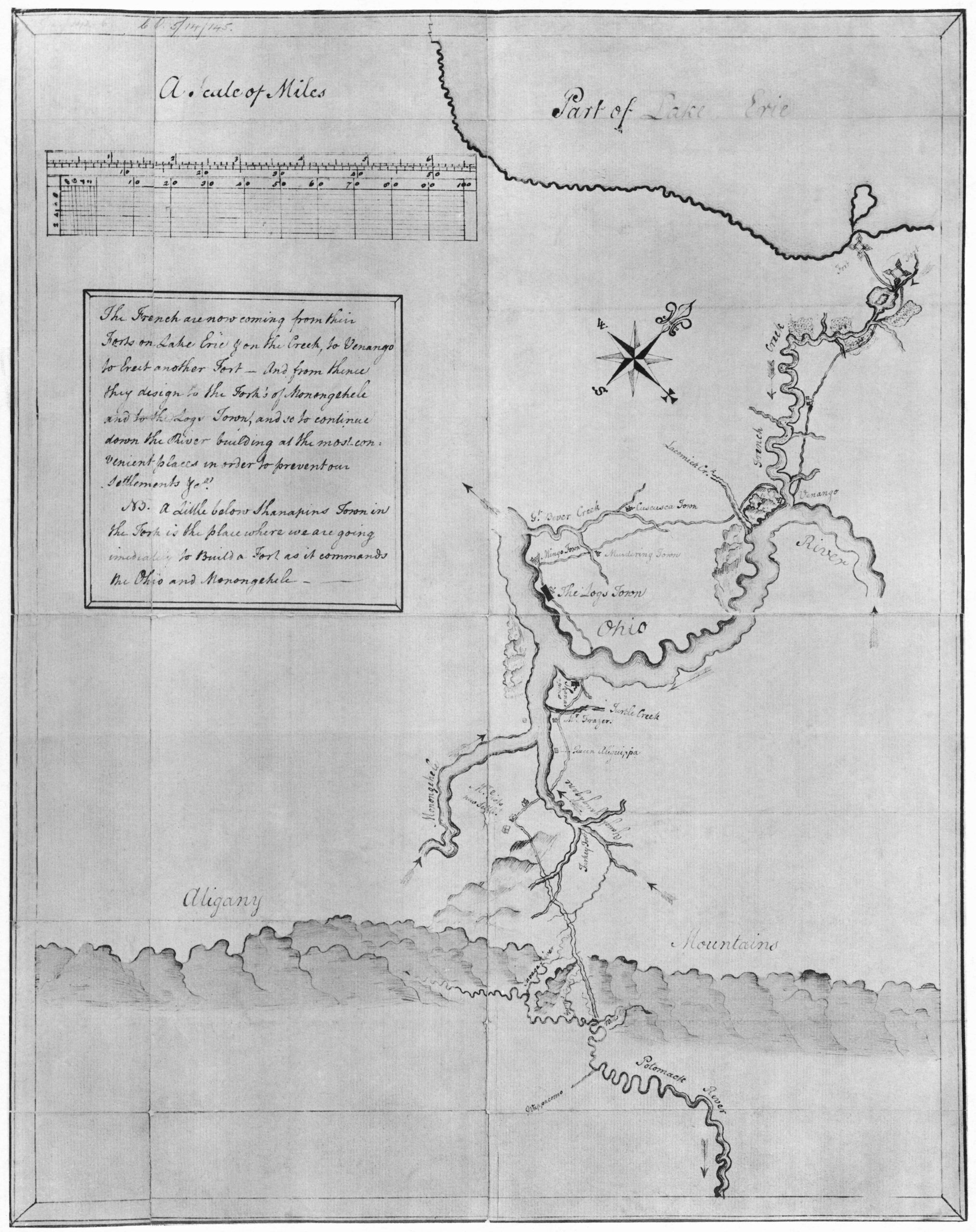
To resist containment, the British sent a remarkably tall 21-year-old named Major George Washington to push the French out of the Ohio region in 1753. His mission failed when the French calmly, but firmly, refused to leave.
 1754The Battle that Ignited a World War
Undeterred, the newly-promoted Lt. Col. George Washington returned to the Ohio Country the following year.
When opposing forces and their Native allies met at Jumonville Glen, Pennsylvania, on May 28, 1754, the English and the French both claimed the other side fired the first shots, sparking the beginning of the French and Indian War. The conflict soon stretched across the entire globe.
- Washington Surrenders1754
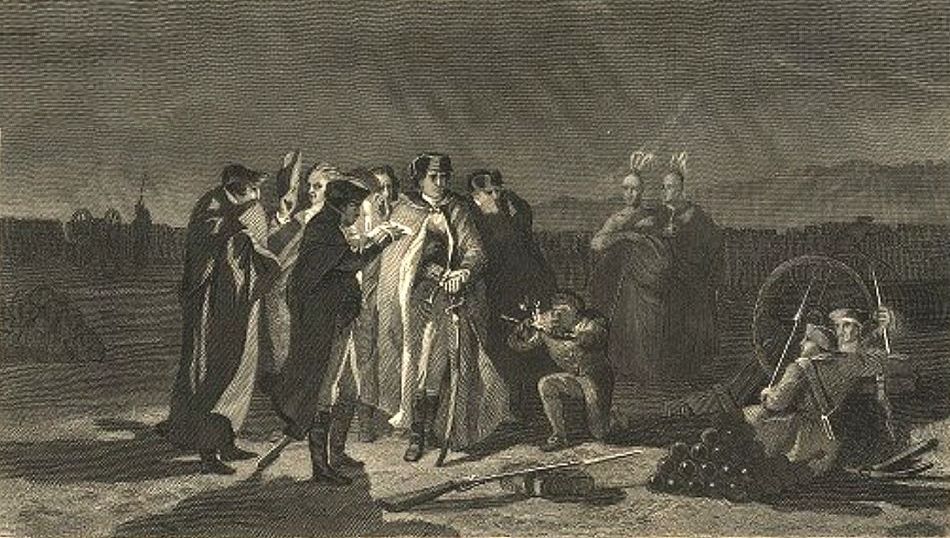
Unsuccessful in their attempts to drive out the French, Washington and his men were forced to surrender to the French at Fort Necessity a month later.
On the 4th of July in 1754, Washington gathered what remained of his men and retreated. It was the only time Washington ever surrendered to an enemy in battle.
 1685Washington Becomes a Hero
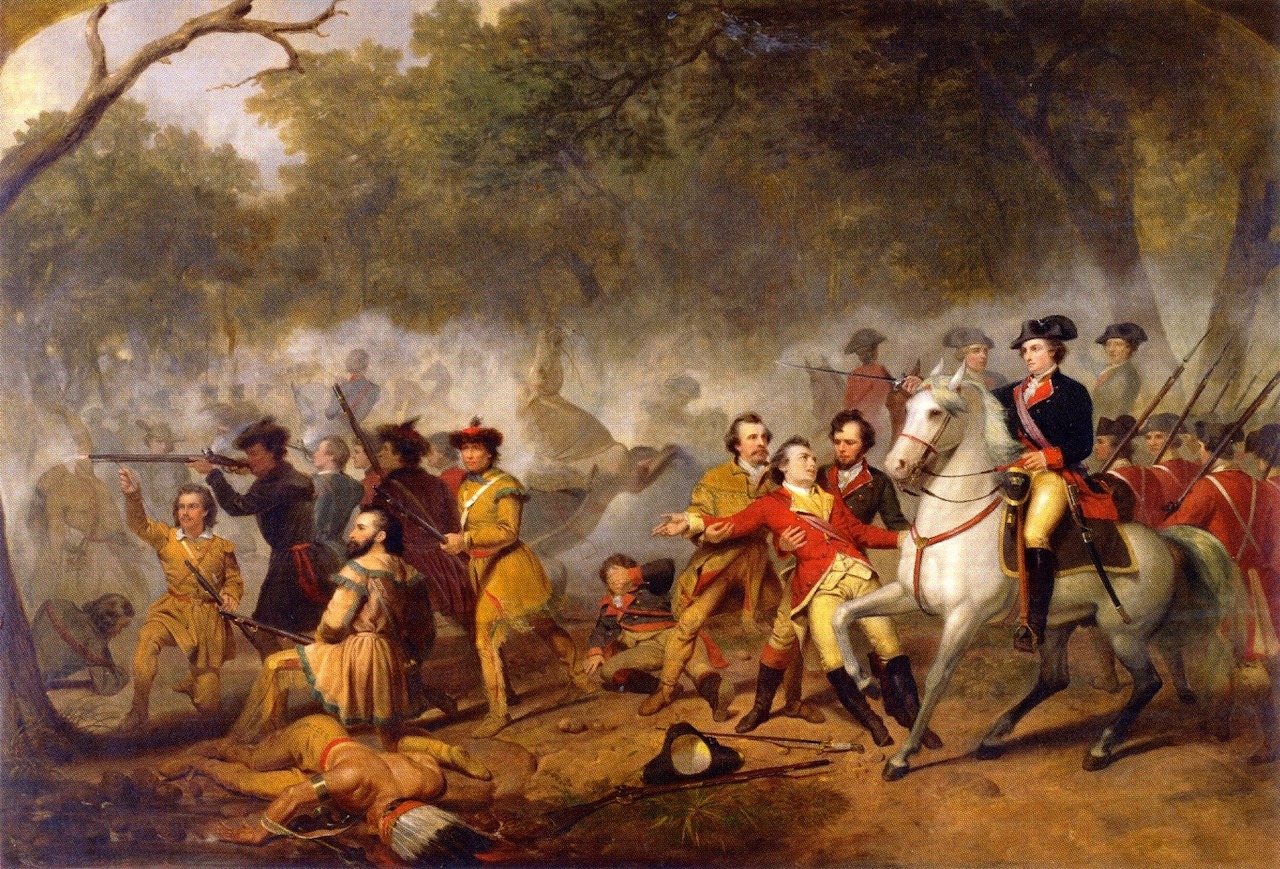
During the Battle of Monongahela, near present-day Pittsburgh, Pennsylvania, the French killed or wounded most of the British officers in what became known as “Braddock’s Defeat.”
Washington saw the confusion this caused and rode fearlessly into the chaos. Although two horses were shot from underneath him and four musket balls pierced his coat, Washington was unharmed and earned the title “the hero of Monongahela.”
Ironically, this fighting experience for the British would later help Washington in his fight against them.
- Acadian Expulsion1755
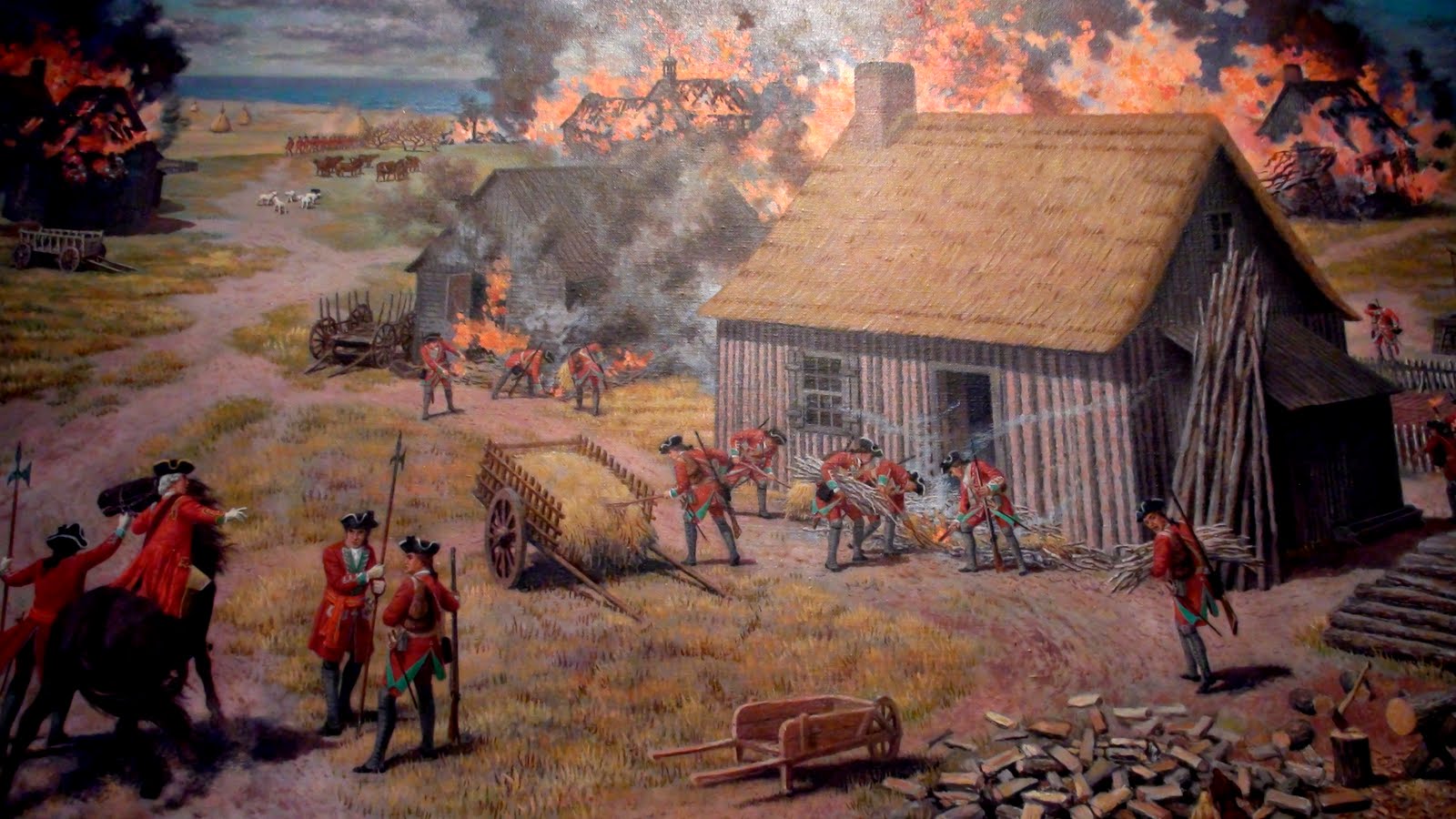
While Washington fought to remove the French from the Ohio Valley, the British successfully forced French settlers from their homeland in Acadie (present-day Nova Scotia) in eastern Canada.
Beginning in 1755, the Acadian settlers, later known as “Cajuns,” were loaded onto ships and sent into exile after their homes were burned.
The brothers left France on October 28, 1698, and crossed the Atlantic Ocean to establish Louisiana’s first colony.
 Acadian Refugees
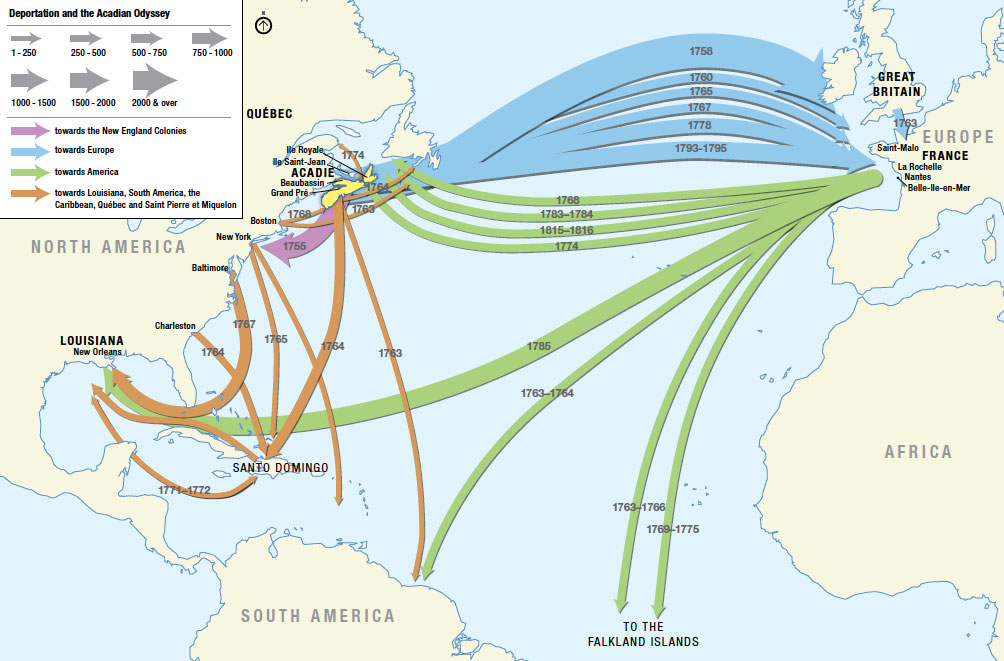
Reflective of the global nature of the French and Indian War, some Acadian refugees ended up in the Caribbean, others in British colonies like Massachusetts, Maryland, and New York, while still others were sent back to Europe or even the Falkland Islands at the tip of South America.
Eventually, many refugees made their way to Louisiana after a decade of traversing the globe in search of a new homeland.
- Acadians in Louisiana
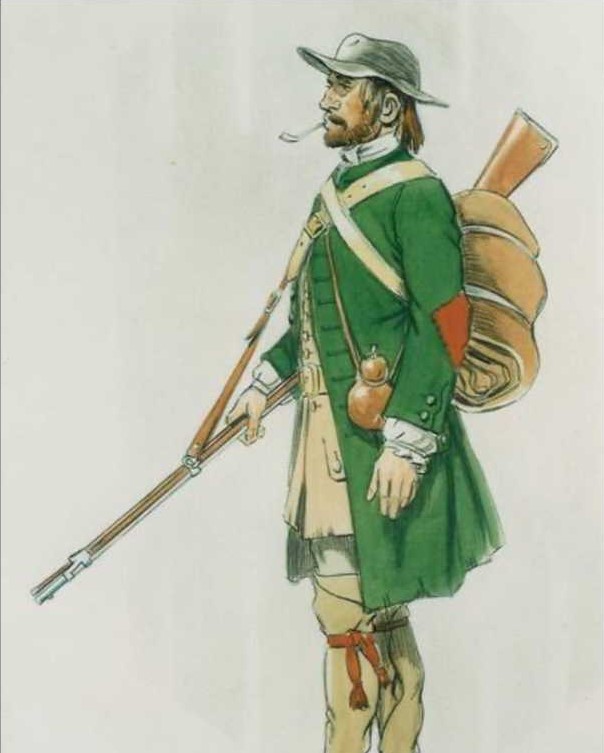
Unable to settle in well-established urban areas like New Orleans, Acadian survivors carved out a life for themselves and their families in the prairies and swamps of South Louisiana.
Their anti-British sentiment served Louisiana’s French and Spanish colony well, and their eagerness to defend their new homeland made them remarkable allies for the American patriots.
After his brother Iberville, Louisiana’s first governor, died in 1706, 21-year-old Bienville was appointed to take his place. Bienville served as Louisiana’s second, fourth, sixth, and ninth governor.
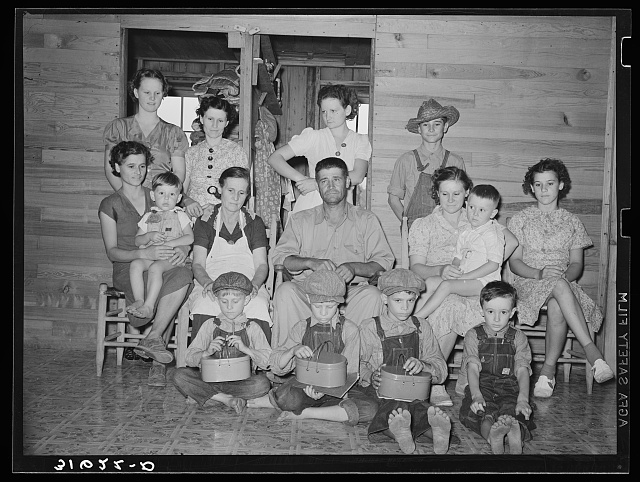
Well into the twenty-first century, Cajuns, as they are now known, have maintained their French language, cuisine, and culture, throughout 250 years of American assimilation.
- Treaty of Paris1763
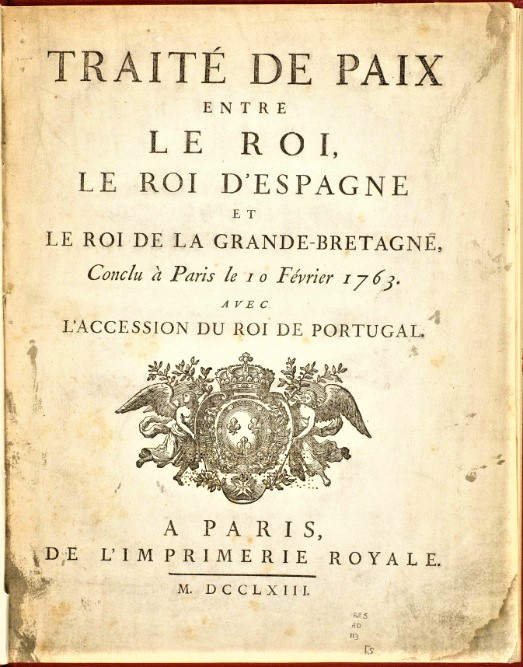
Despite a promising start, after seven years of conflict, the French and Indian War ended badly for the French and their Native allies.
According to the Treaty of Paris that formally ended the conflict, France surrendered North America to the British, except for Louisiana, which France had secretly given to Spain the year before.
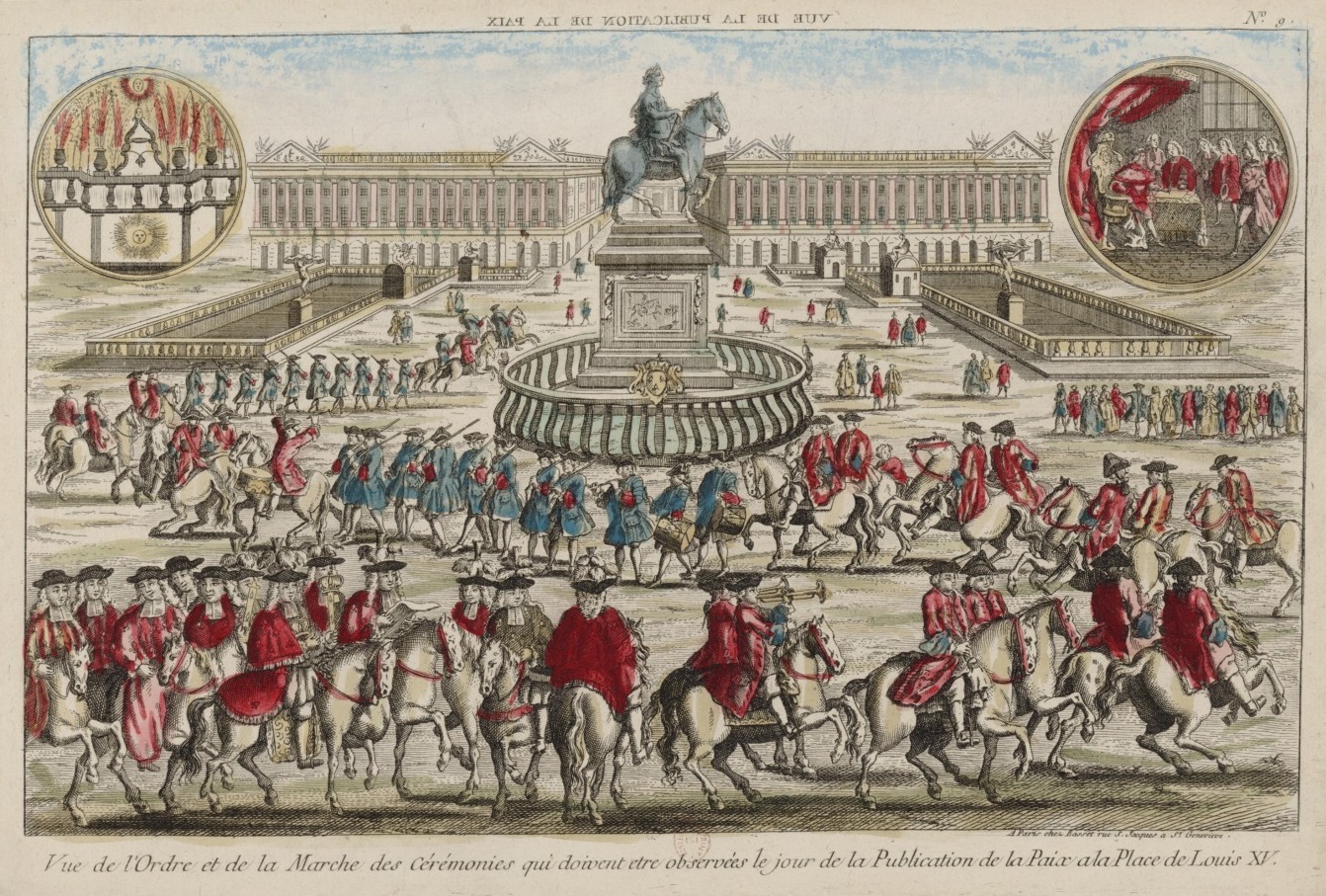 Conclusion
France did not forget her loss to the British as a result of the French and Indian War, even as the page turned for Louisiana’s Spanish chapter to begin.
In fact, when the American colonists revolted against the British, both France and Spain proved to be strong American allies, just like the Acadian settlers who now called Louisiana “home.”
