PATRIOTS AND THE PELICAN STATE:
Louisiana’s Critical Role in the American War for Independence
Discover Louisiana’s significant contributions to the founding and development of the United States.
Embracing the legacy of our state, as our website unearths its enchanting history, and cultural heritage.
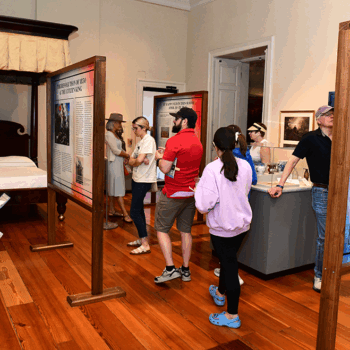
Welcome to our immersive online experience, where Louisiana America 250 Commission sponsored this online exhibit “Patriots and the Pelican State: Louisiana’s Critical Role in the American War for Independence” to increase knowledge, enhance understanding, and inspire appreciation for Louisiana ’s contributions to the American War for Independence.
Within these virtual pages, you will discover the timelines of key events.
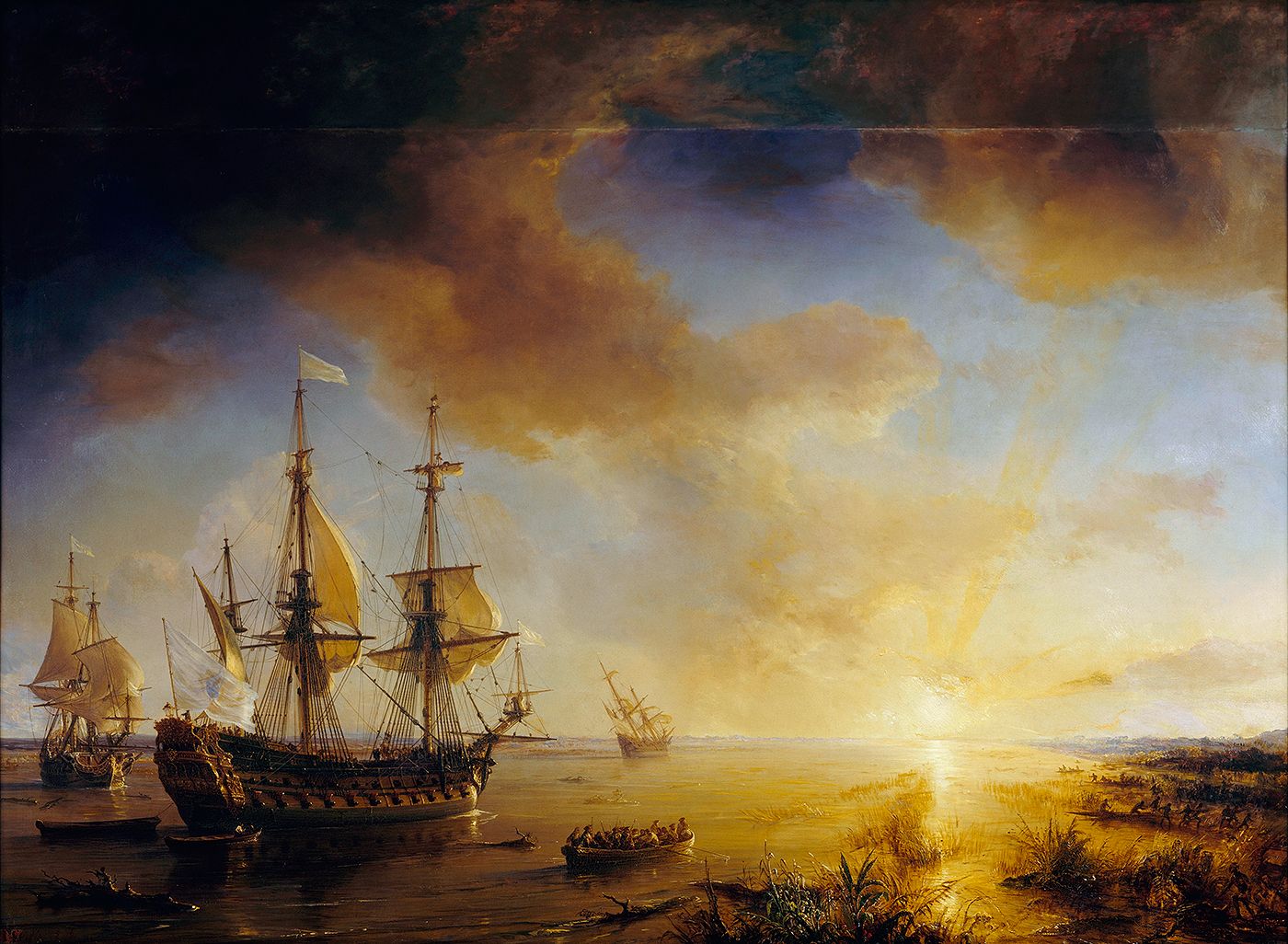
French Louisiana Under Spanish Rule and the American Colonies Under British Rule
Spanish Louisiana and the American Cause: spain's rile to eliminate British control in the New World.
Without Louisiana’s involvement, it is difficult to predict what the outcome would have been for all three of the major wars fought on North American soil- the French and Indian War, the War for Independence, and the War of 1812
While perhaps not a perfect union, the Pelican State’s complex history and rich cultural diversity undoubtedly contributed to her success in unifying individuals from around the world for a common goal.
Louisiana Creoles of all colors and origins provided stability for the colony and often contributed the resources necessary to make it a success, whether the colony was under French, Spanish, or even American rule. While tenaciously clinging to tradition, and sometimes resisting change, Creoles demonstrated their ability to adapt over the centuries, even adjusting to life as English-speaking Americans.
Men of African descent in Louisiana, whether born free or enslaved, whether arriving in shackles or becoming wealthy planters themselves, had the opportunity to earn their freedom or rise to prominence through military service. Many women of African descent, whether free or in bondage, served as wives, mothers, sisters, and lovers who often raised children, grew crops, managed entire households, and ran successful businesses all on their own.
French Acadians, ousted from their homeland as war refugees, found common ground with others in Louisiana at a time when Spain ruled the colony, not France. Yet, the Acadian men and women who survived the exile rebuilt their lives in a new time and place, teaching their children how to maintain their culture while assimilating into the cultures of those around them.
Canary Island farmers left their dying vineyards across the ocean to become soldiers in the New World, finding better opportunities to support their families in a growing colony while answering the call of Spanish recruiting campaigns.
Even American Indians from various tribes, who were already in Louisiana long before the arrival of Europeans and Africans, traded goods, formed alliances, swapped languages, and intermarried with many of the newcomers, forging bonds that have endured for several centuries.
As Louisiana grew and flourished in her own distinct way, due to the common bonds and concerns of her French and Spanish colonial administrators, she found ways to support her American neighbors- another set of colonists with a completely different culture, language, and even religion from her own.
Whether quietly sending supplies, secretly creating alliances, or boldly marching shoulder-to-shoulder with brothers-in-arms on the battlefield, Louisiana played an instrumental role in the foundation of the nation that has become one of the world’s greatest havens of refuge for immigrants, strongest military forces for good, and brightest bastions for freedom in the world- the United States of America.