
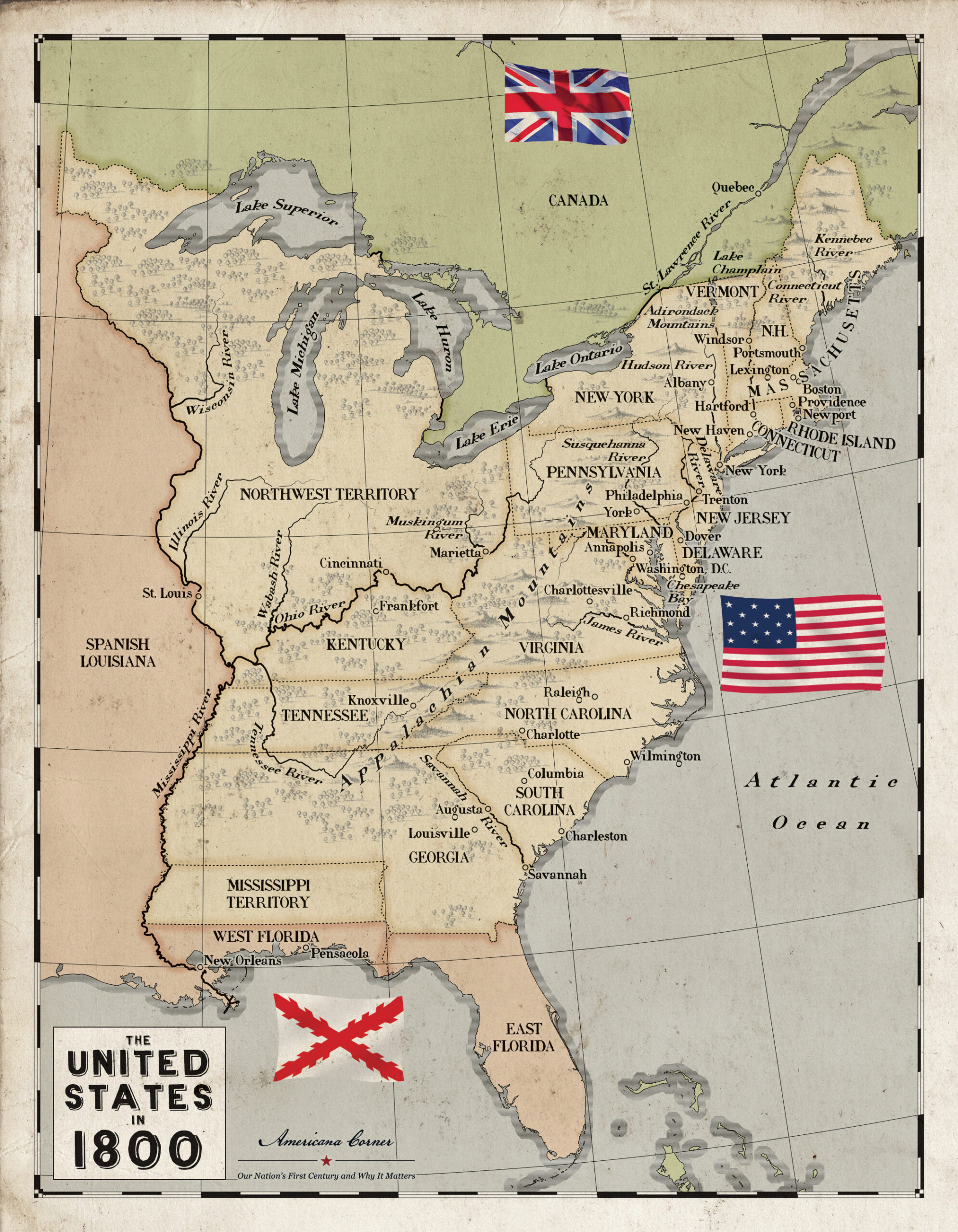
 Louisiana Remains Spanish
Although Bernardo de Galvez was posthumously awarded American citizenship for his contributions, Louisiana remained a Spanish colony for nearly two decades after the War for Independence ended.
- Treaty of San Ildefonso1800
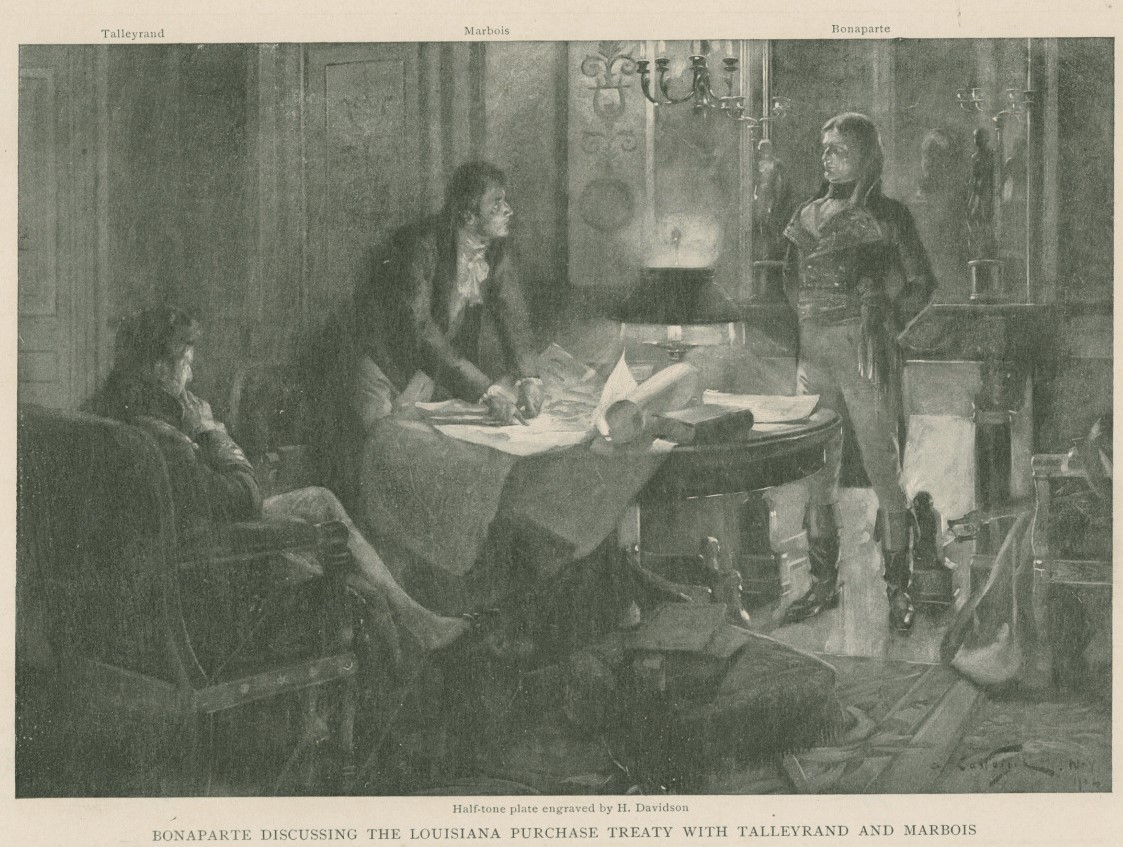
With the Third Treaty of San Ildefonso, signed on October 1, 1800, Spain secretly transferred Louisiana back to France in exchange for territories in Italy.
The terms were confirmed the following March with the Treaty of Aranjuez.
 Napoleon Bonaparte
France’s Napoleon Bonaparte encouraged this exchange in hopes of rebuilding a French empire in North America.
His initial plan was to retake St. Domingue (modern-day Haiti), which France had lost in a slave uprising. From there, he planned to attack Louisiana and profit from her successful sugarcane and cotton trade to finance his other interests.
- Thomas Jefferson Seeks to Buy New Orleans
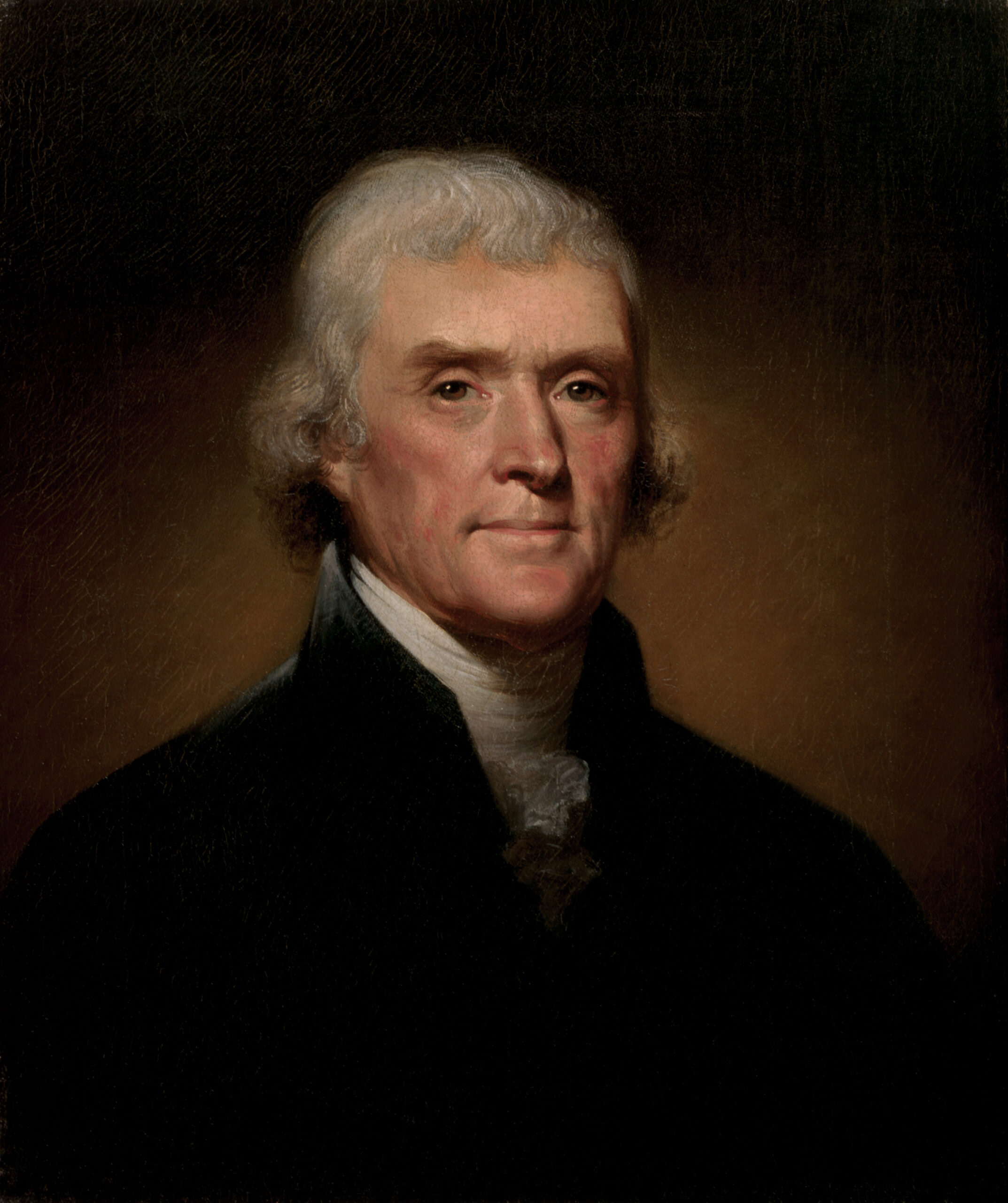
American President Thomas Jefferson was concerned that Napoleon might close the port in New Orleans, thereby destroying commerce up and down the Mississippi River.
Knowing that Napoleon’s French army was easily defeated in St. Domingue and understanding that Napoleon was also distracted with his war in Europe, Jefferson came up with a plan to buy, instead of fight over, New Orleans.
 Purchase of Louisiana Discussed
Congress agreed to designate up to $2 million dollars to purchase New Orleans.
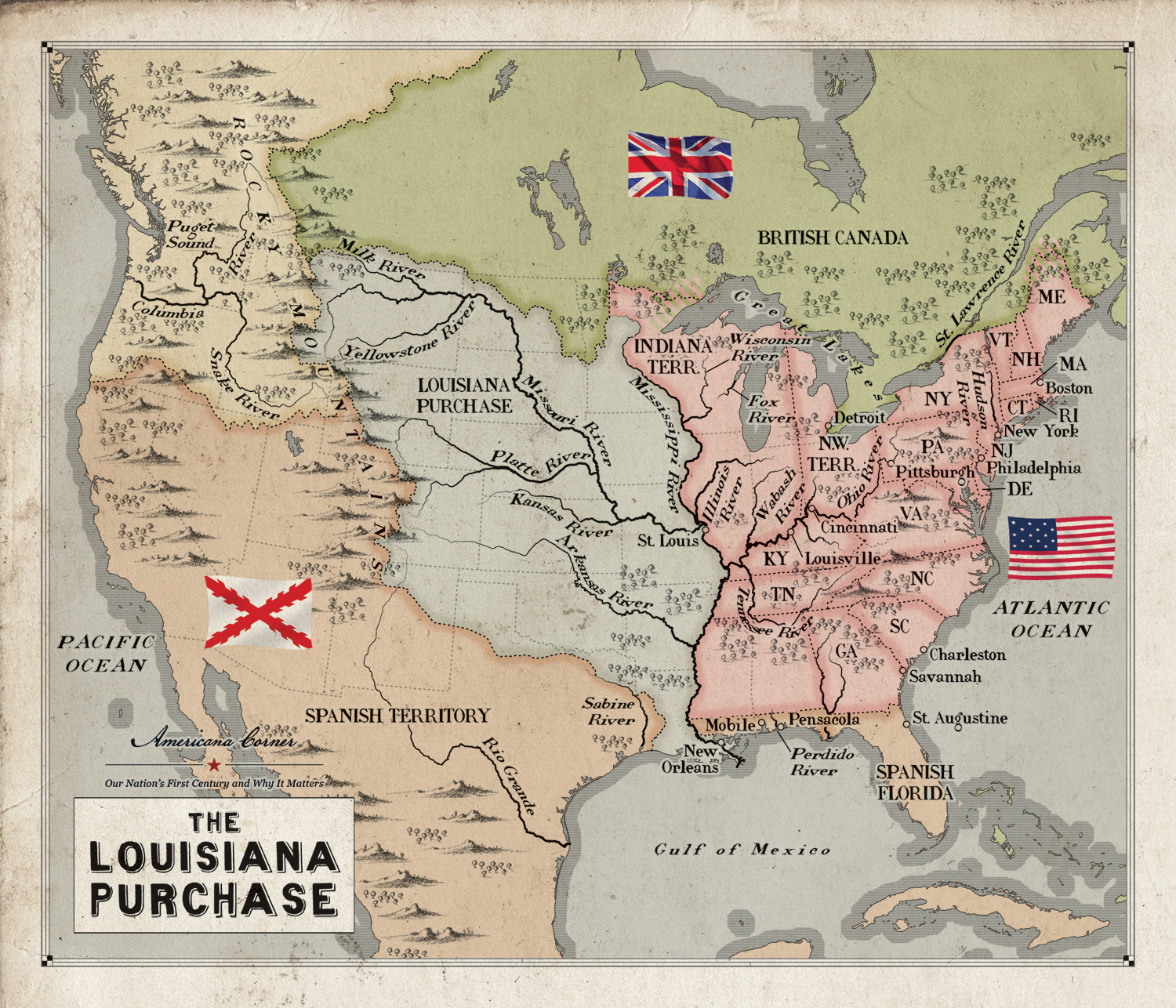
Napoleon needed more than that to finance his war efforts. So, in 1803, the U.S. bought all of Louisiana, which nearly doubled the size of the United States, for $15 million dollars.
- Louisiana Territory
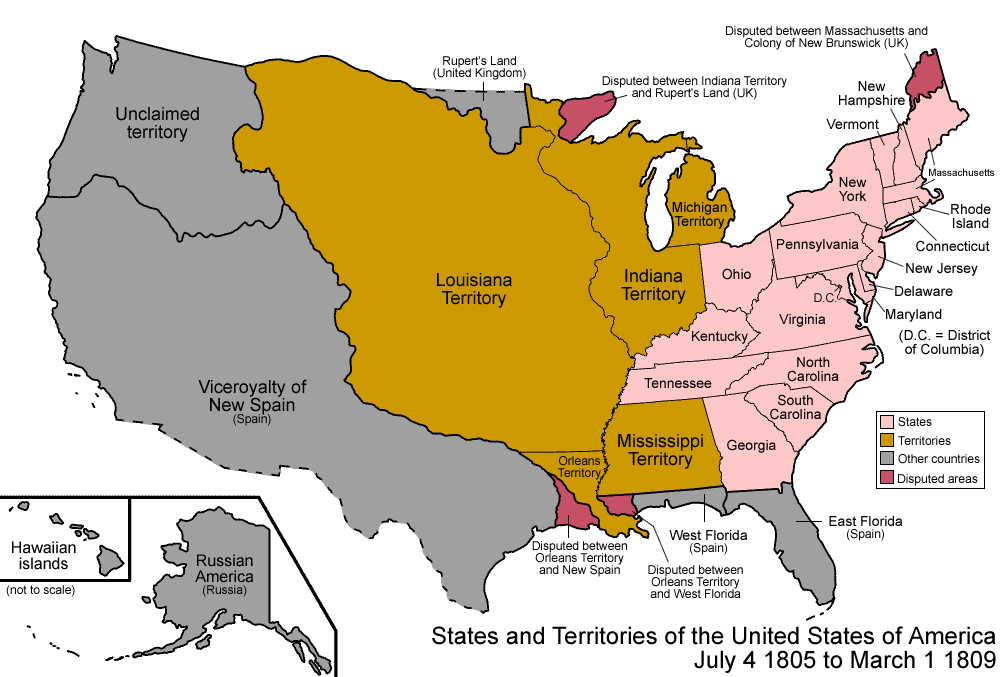
The Louisiana Territory once included all or parts of the following states: Louisiana, Arkansas, Colorado, Iowa, Kansas, Minnesota, Missouri, Montana, Nebraska, New Mexico, North Dakota, Oklahoma, South Dakota, Texas, and Wyoming. It also included parts of Alberta and Saskatchewan, two Canadian provinces.
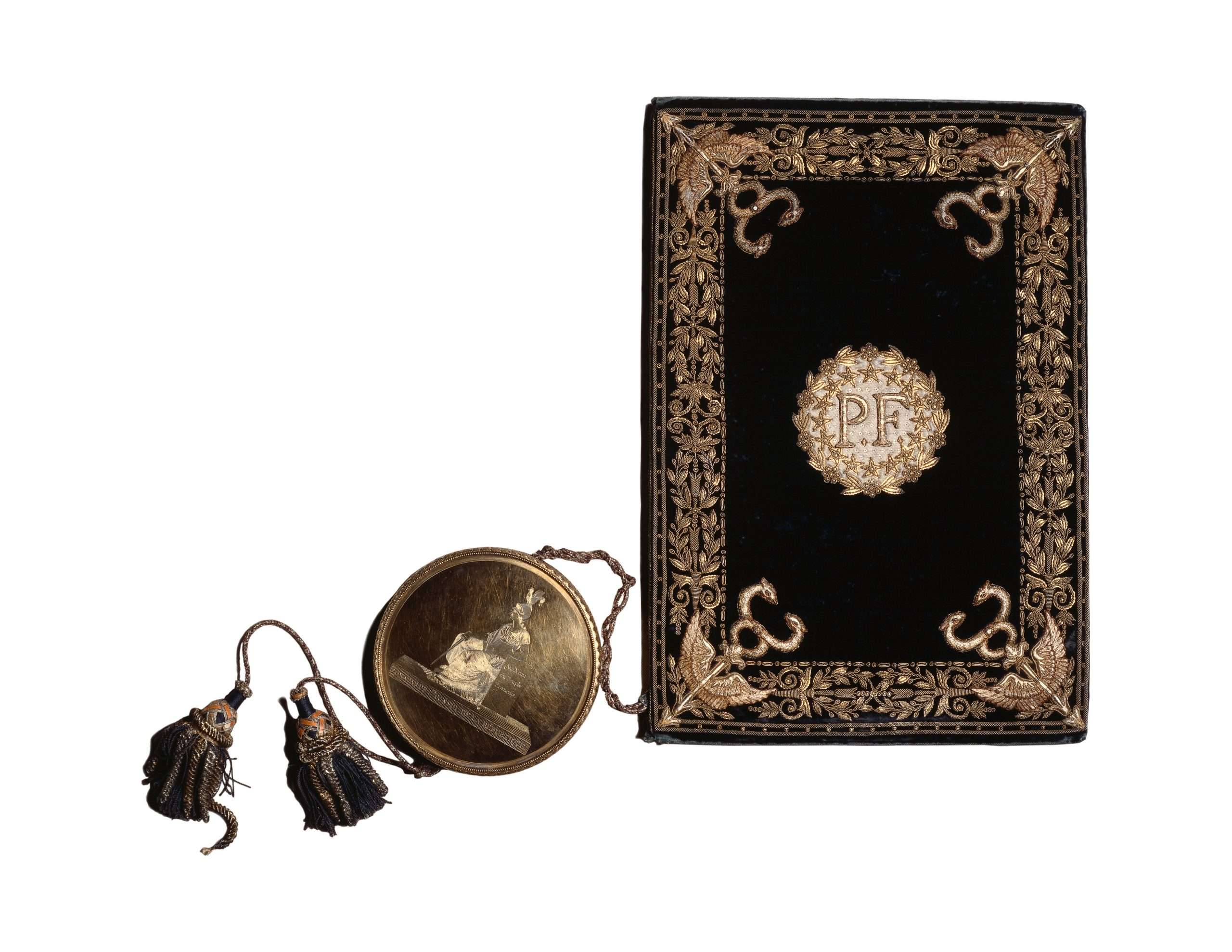 1803Louisiana Purchase Signed
Signed on April 30, 1803, the official French copy of the Louisiana Purchase agreement was bound with a velvet cover and embroidered with the initials “P.F.” (for Peuple Francais or “French People”). Napoleon’s name and position is inscribed at the bottom of the French seal attached to the treaty.
- Louisiana Flies the U.S. Flag1803
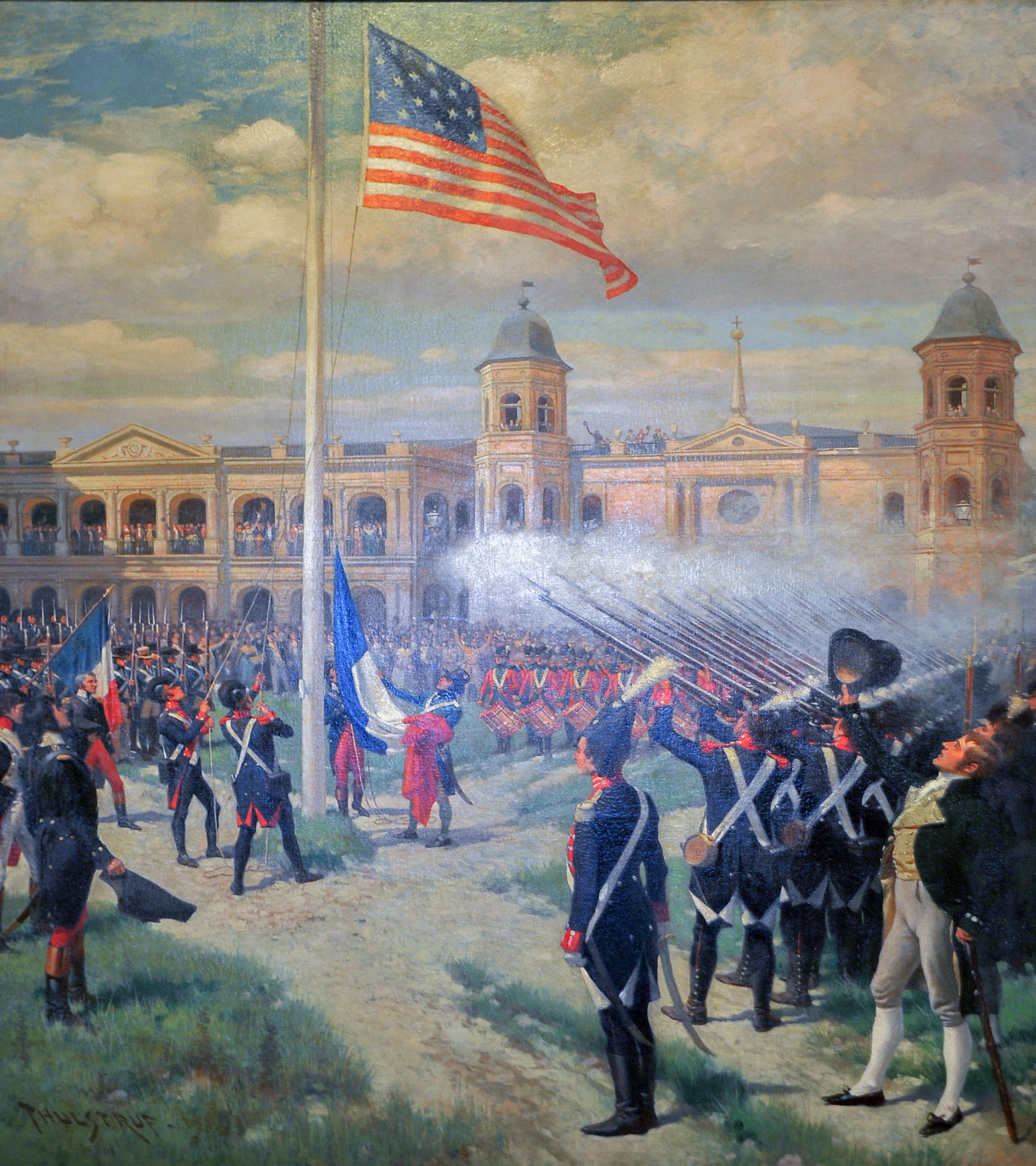
With the Louisiana Purchase, Louisiana was no longer a French or a Spanish colony, but rather a territory of the United States of America.
On December 20, 1803, the French flag was lowered and the U.S. flag raised over present-day Jackson Square in New Orleans.
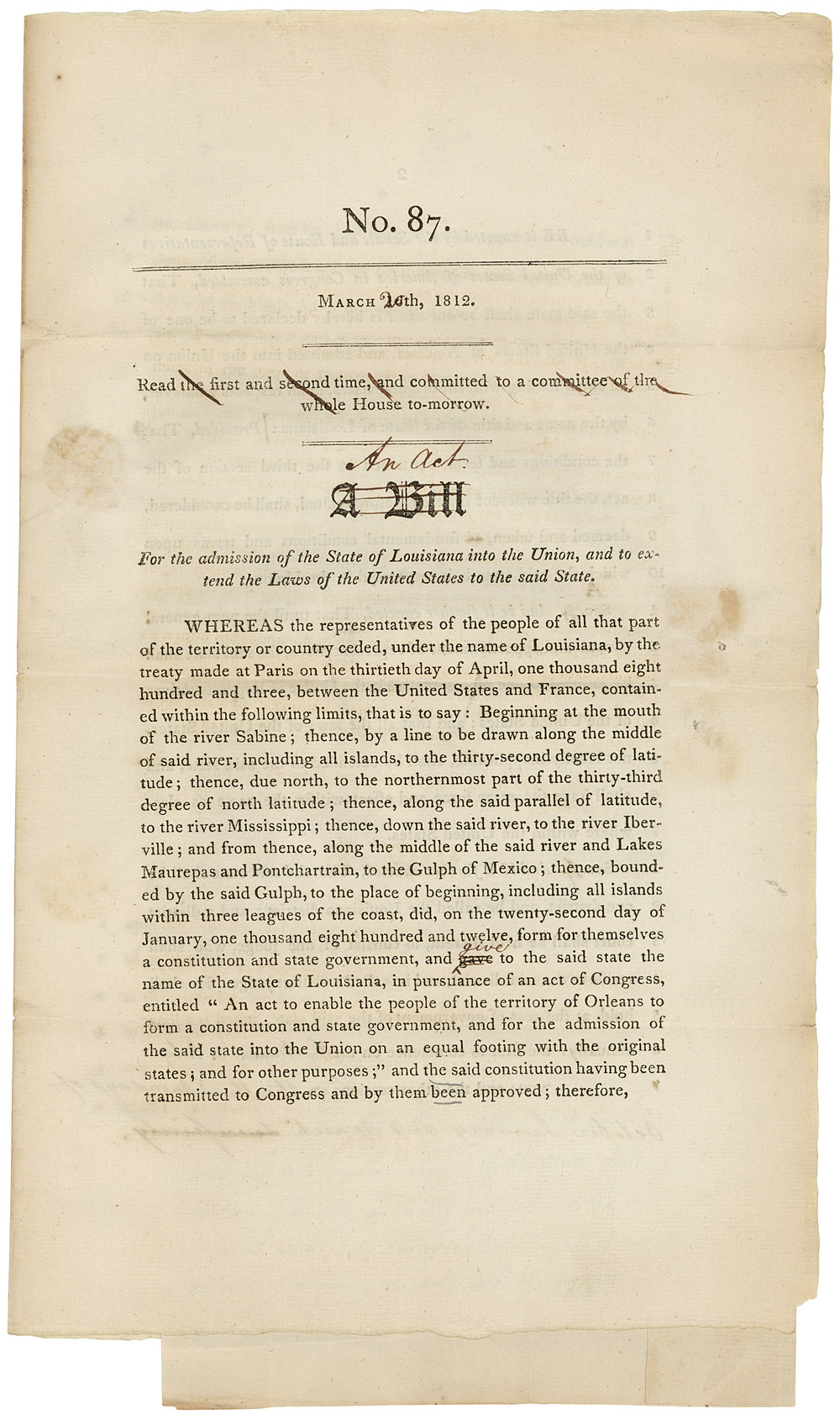 1812Louisiana Becomes a State
On April 30, 1812, exactly nine years after becoming a part of the U.S. through the Louisiana Purchase, Louisiana became the 18th state, as well as the first area carved out of the vast territory to achieve statehood.
- The Pelican State
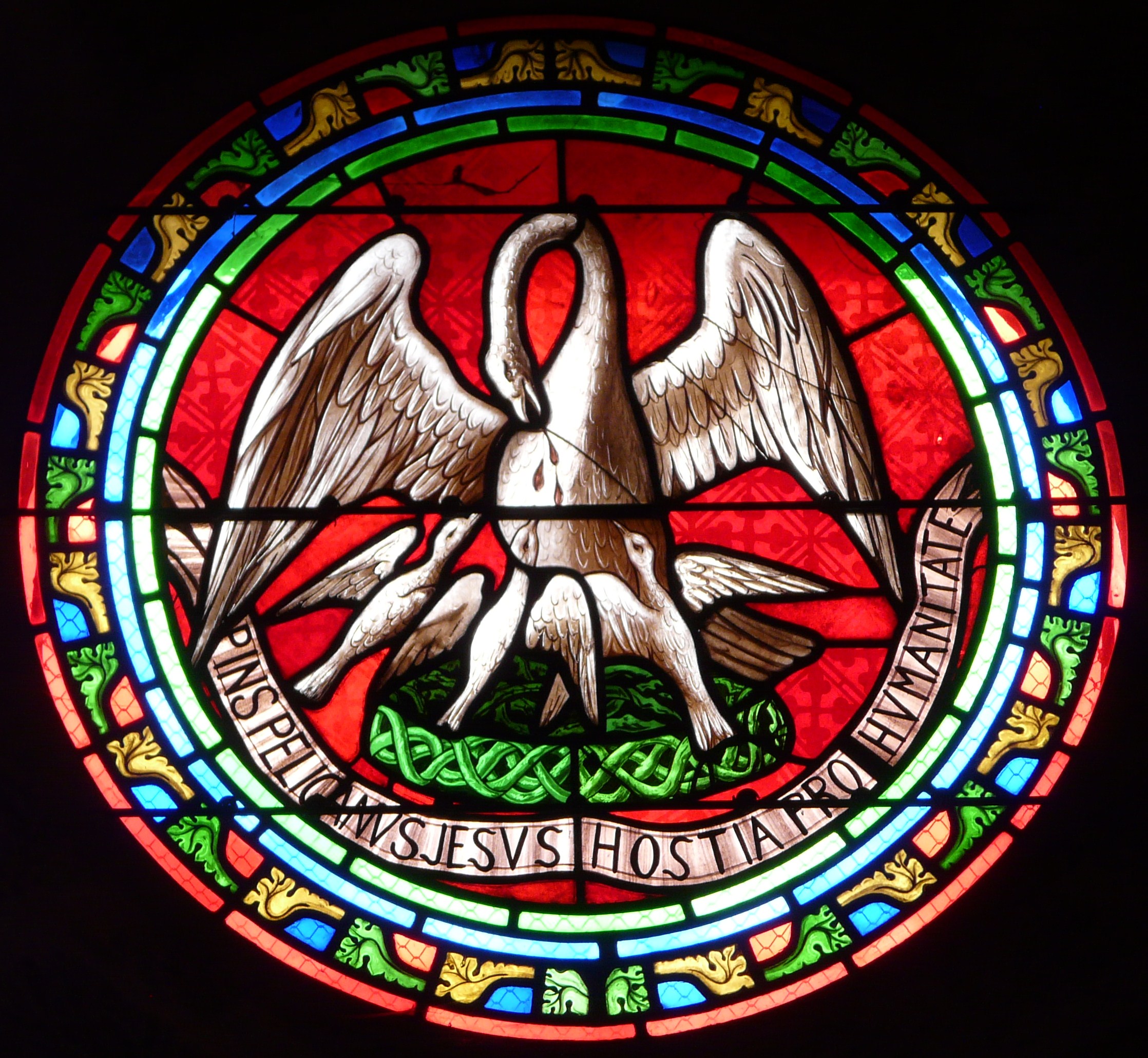
The pelican, a bird native to Louisiana, has been recognized as a symbol of sacrifice and the Passion of Christ since medieval times since pelican mothers were believed to draw their own blood to feed their chicks when nothing else was available.
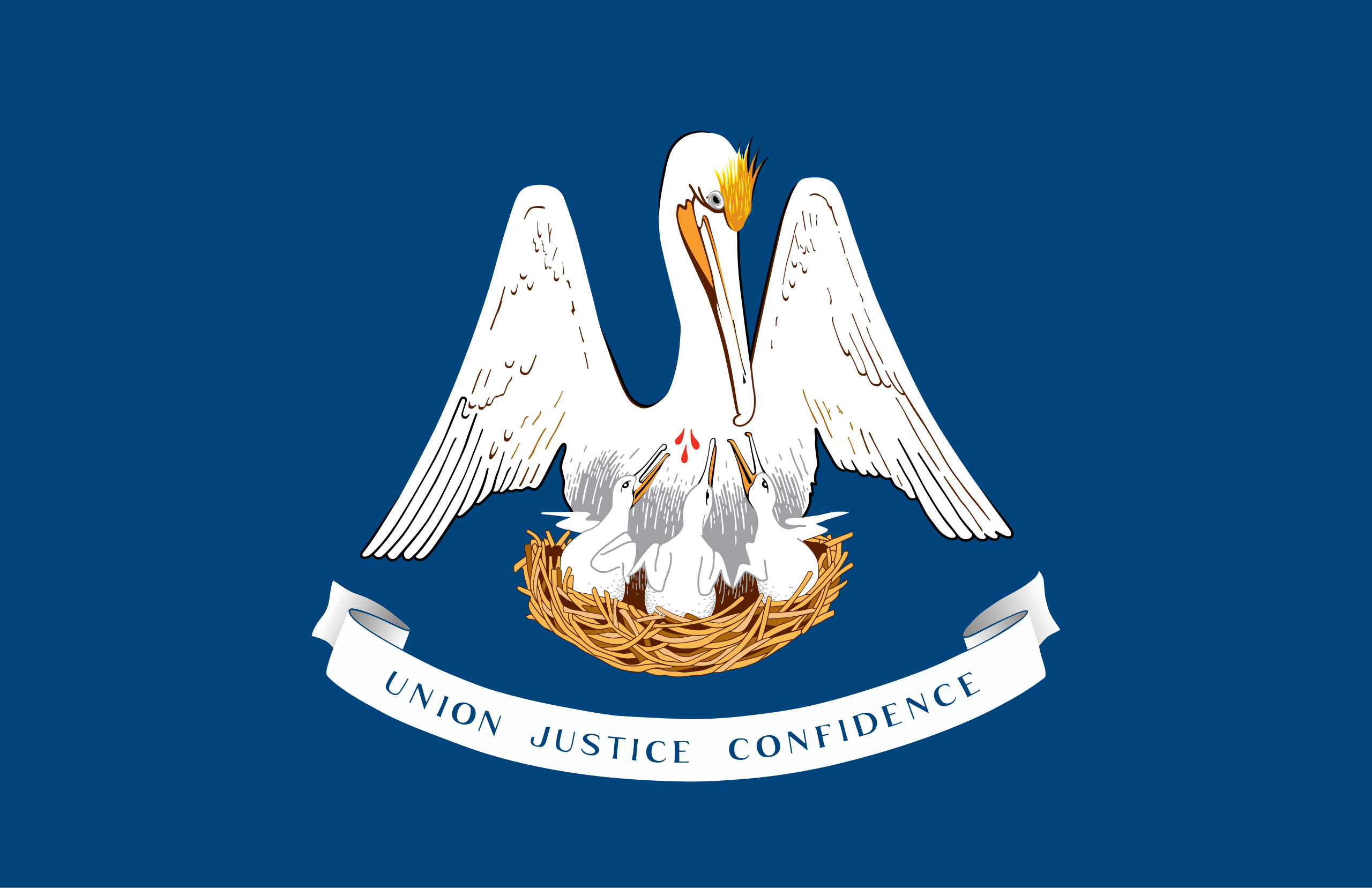 The Pelican State Adopts a Flag
As early as 1812, the brown pelican appeared on the state seal, uniform buttons, militia company colors, and even on a blue flag with the phrase “Union, Justice, and Confidence.”
However, the state flag was not adopted until July 1, 1912, a century later, with slight modifications occurring in 2006 and 2010.
- War of 1812
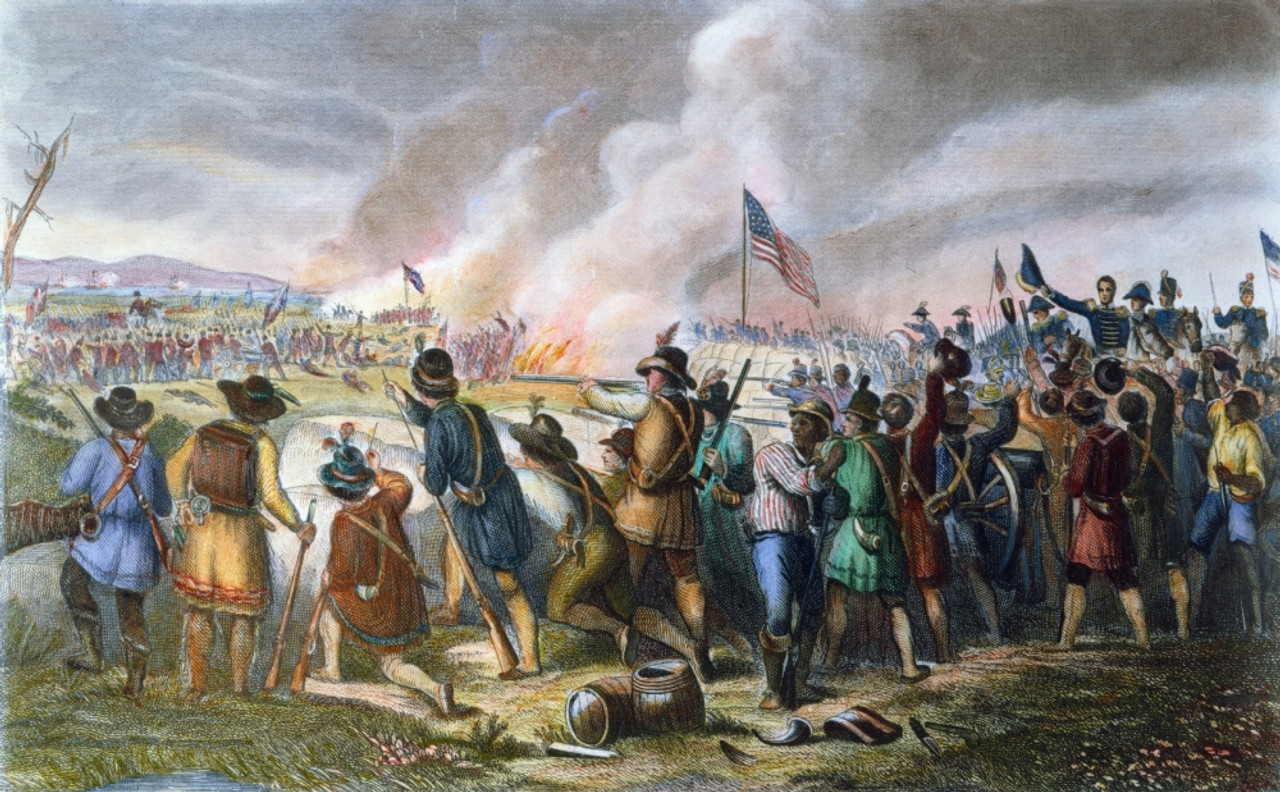
Just a few months after Louisiana became a state, the War of 1812 broke out.
Great Britain hoped to regain not only the colonies she had lost, but also take possession of the new states, like Louisiana, the U.S. had added along the way.
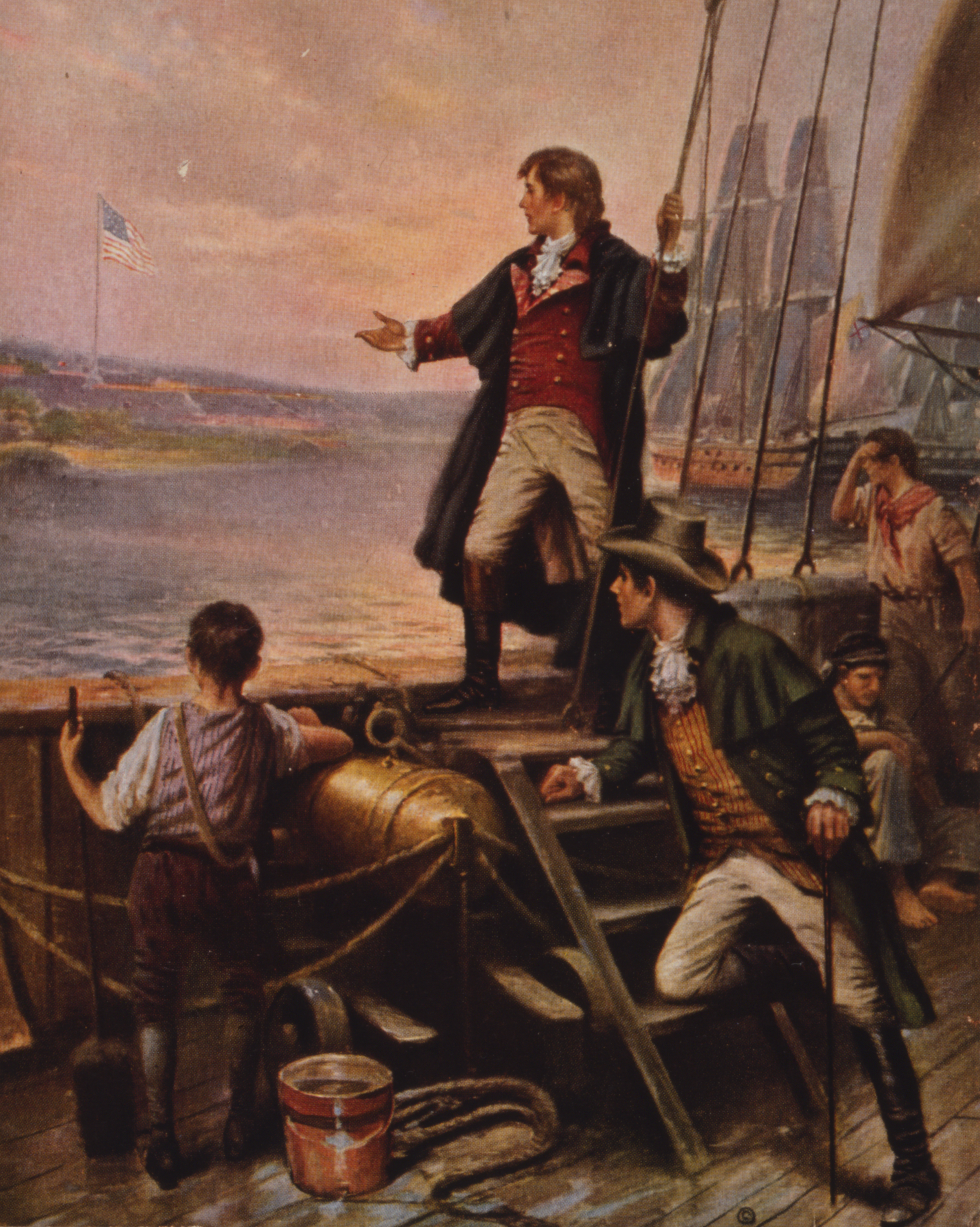 “The Star-Spangled Banner”
As the war progressed, Americans embraced their new national identity. For example, “The Star-Spangled Banner” was written and “Uncle Sam” invented during the war.
Francis Scott Key penned the words to what became the national anthem during the War of 1812 as he watched “the rockets’ red glare,” British-launched missiles that resembled giant bottle rockets filled with gunpowder, tar, and shrapnel. The “bombs bursting in air” Key witnessed referred to the 200-pound cannonballs the British fired from their ships at the Americans inside Ft. McHenry.
- Uncle Sam
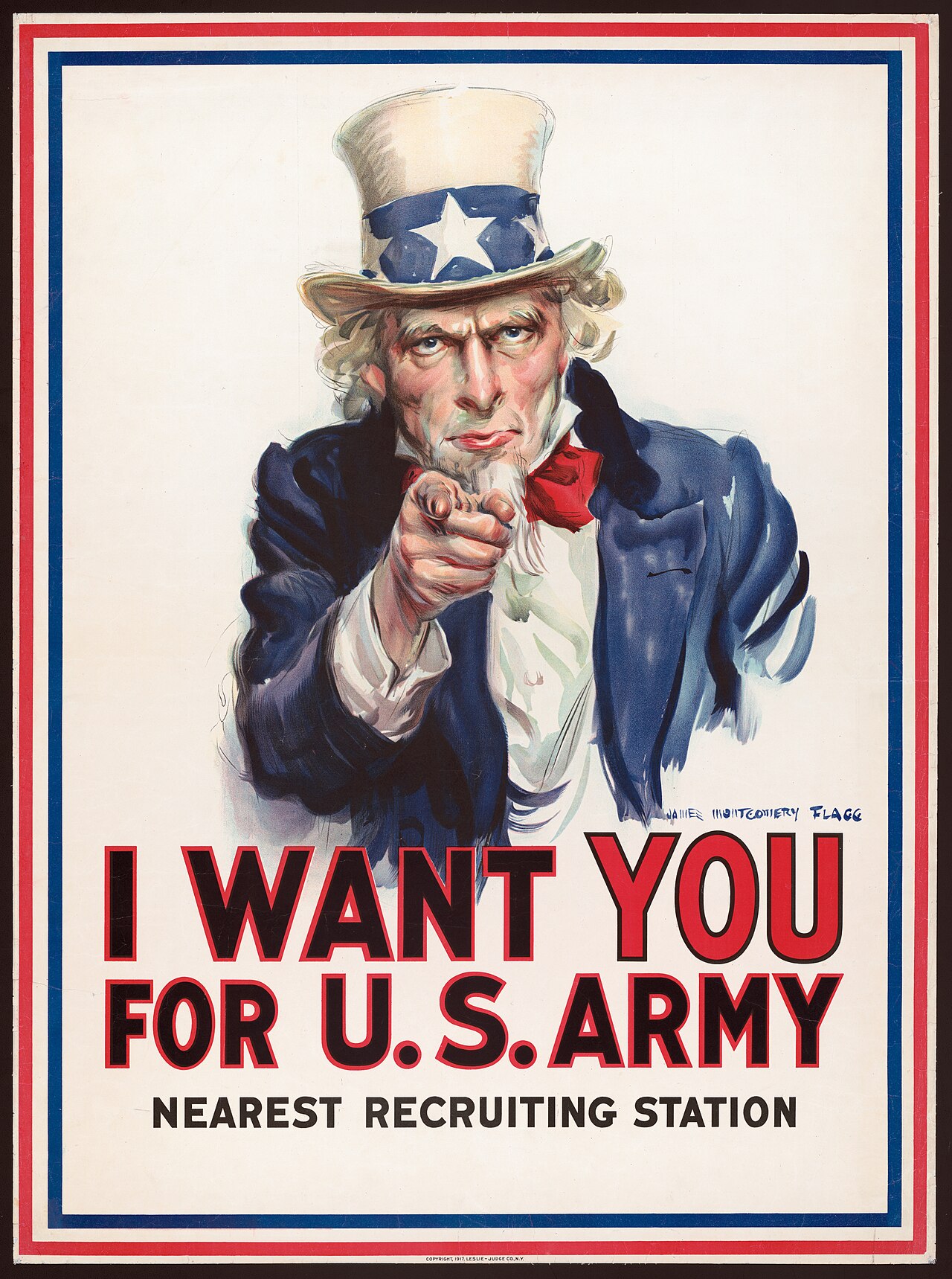
The patriotic figure “Uncle Sam” also grew out of the War of 1812, supposedly when someone suggested the “U.S.” initials on supply crates stood for “Uncle Sam” instead of “United States.”
The white-bearded, top-hat wearing, stars-and stripes character now known as “Uncle Sam” emerged later, first appearing in recruiting posters during World War I.
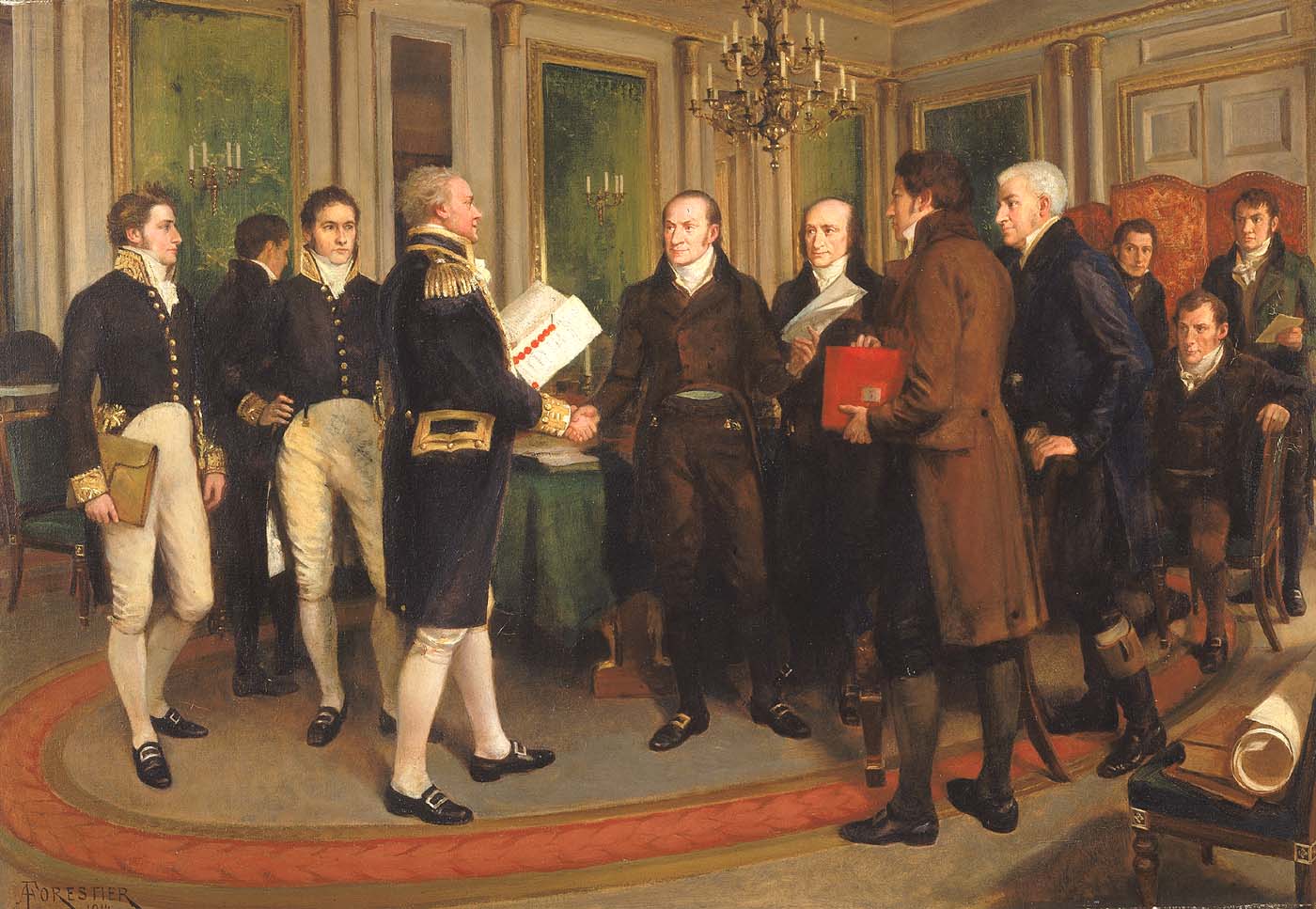 1815Treaty of Ghent
Although peace terms were agreed upon with the Treaty of Ghent in December 1814, the war did not officially end until Congress ratified it on February 17, 1815.
However, between the agreement made in Ghent, Belgium, and the Congressional ratification of the treaty, one of the most decisive battles of the entire war took place; and it happened in Louisiana.
- Diverse Troops at the Battle of New Orleans
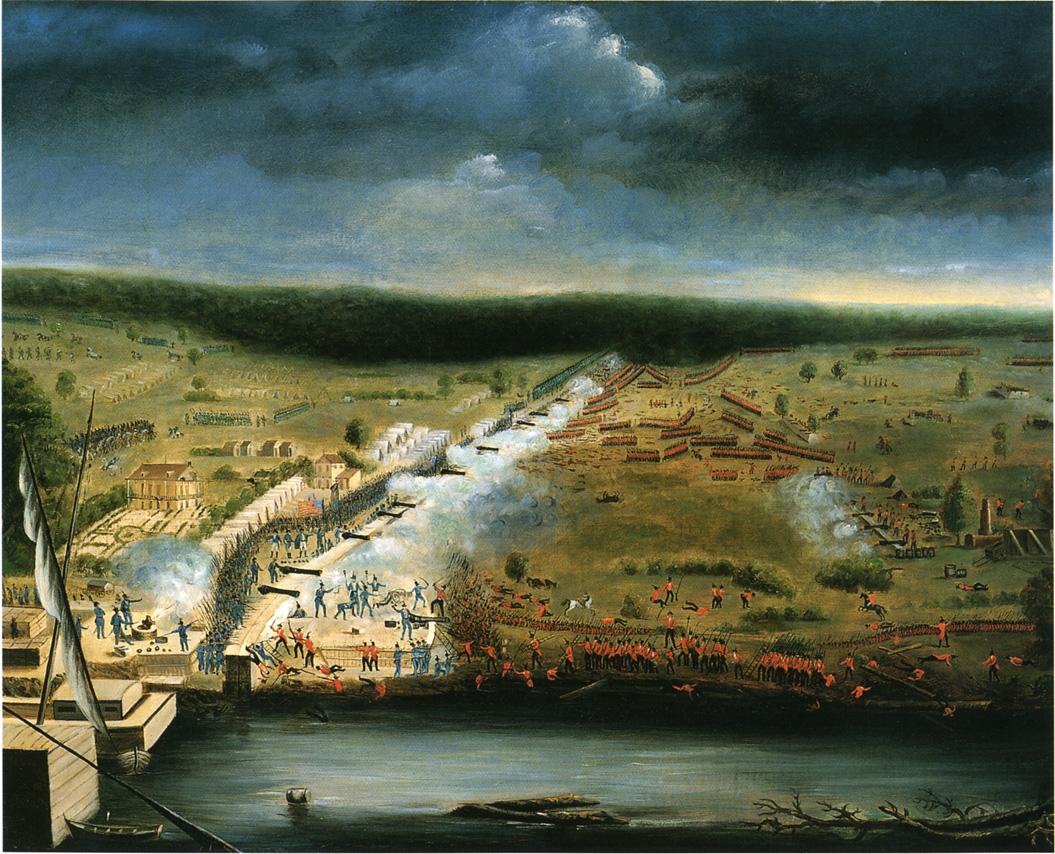
During the Battle of New Orleans, much like Galvez’s campaigns during the War for Independence, Louisianans of all backgrounds, including free blacks, native allies, Acadians, Creoles, and Isleños, aided this time by American volunteers from Kentucky and Tennessee, held their ground near a plantation in Chalmette, Louisiana.
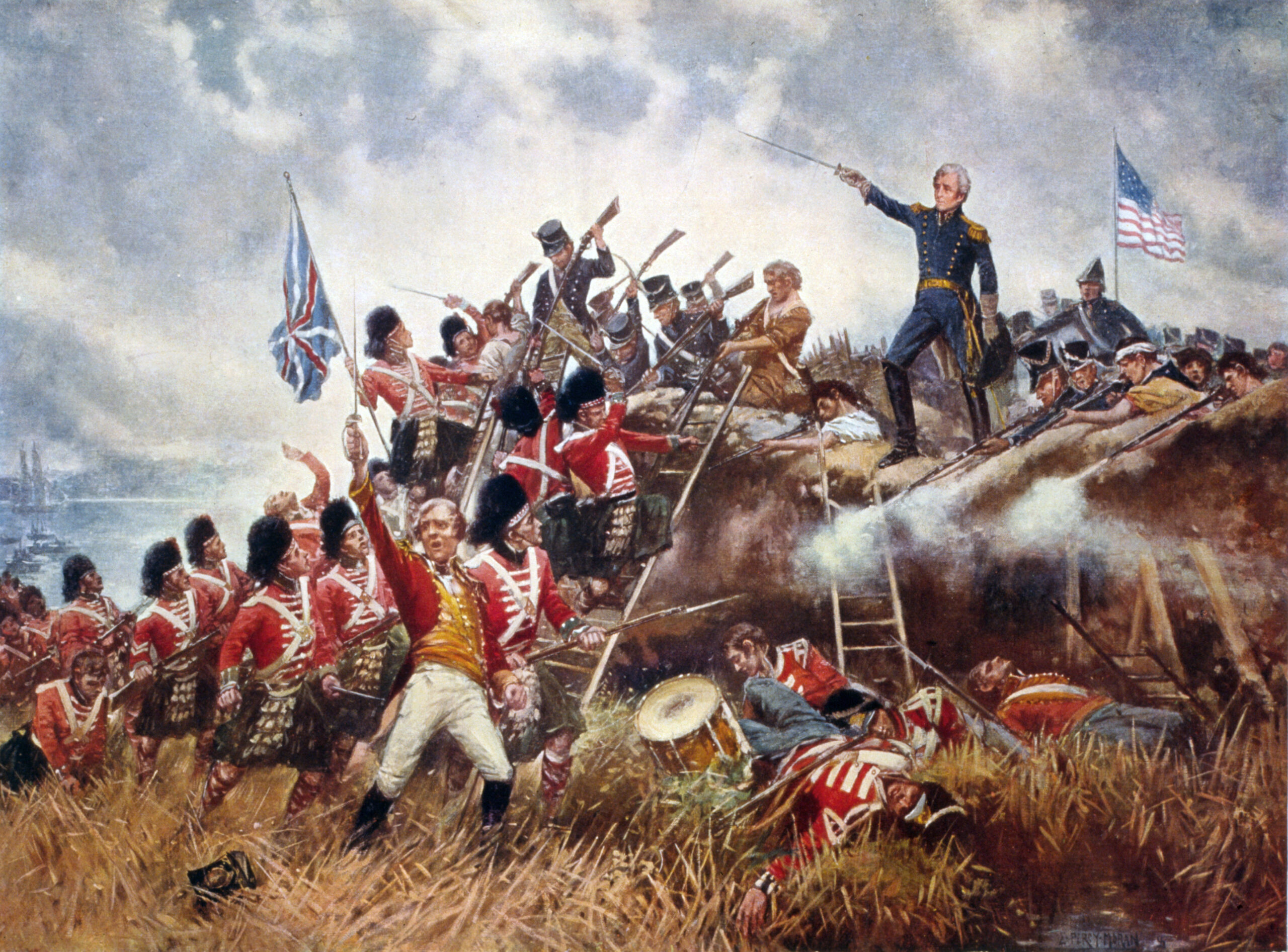 1815Battle of New Orleans
On January 8, 1815, the Americans under General Andrew Jackson won a decisive victory against the British that forever lay to rest Great Britain’s dream of a North American empire on U.S. soil.
- Conclusion
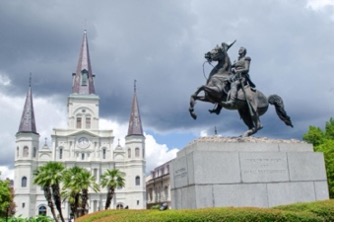
New Orleans’ Jackson Square, named in honor of the American Andrew Jackson, stands where the French Place d’Armes and Spanish Plaza de Armas once stood- a visual reminder of the Pelican State’s diverse history and her enduring role in the development of the United States of America.
