
 1762Rumblings of Revolution: Another Unwanted “Gift”
When King Louis XIV of France secretly gave New Orleans and all of Louisiana west of the Mississippi River to his cousin and ally King Carlos III of Spain in 1762, Spain was not thrilled with the acquisition of Louisiana. However, she accepted the gift to prevent the British from threatening her other territories in Mexico and beyond.
- French Louisiana Begins to Transition

The well-established French Creoles, who were the first settlers in Louisiana, resented being handed over to Spain.
At the same time, the American colonists to the east grew restless under British rule following the French and Indian War.

Initially, the term “Creole” referred to anyone born in the colony to distinguish those who were native-born from those who emigrated or were transported there. It applied to those of French, Spanish, or African descent. In many cases, Creoles represented a blend of one or more of these cultures, sometimes with the addition of Native blood.
Today’s Creole culture is still alive and well, as evidenced by the rich culinary traditions, musical talents, and linguistic capabilities that have flourished in Louisiana for over three centuries.
- Antonio de Ulloa, the Scientific Sovereign

Born in Sevilla, Spain, Antonio de Ulloa, the first Spanish governor of Louisiana, left his homeland at the age of 13 for Colombia, South America. At 19, he began an 8-year mission to the equator that confirmed the earth is a sphere with flattened poles at the top and bottom, just like Isaac Newton predicted. An accomplished astronomer, Ulloa is also credited with discovering platinum and served as governor of Peru.
 1768Louisiana Rebellion of 1768 or Creole Revolt
When Ulloa arrived in Louisiana, he tried to ease the French colony’s transition to Spanish rule by allowing the French flag to remain flying over New Orleans’ Plaza de Armas (today’s French Quarter), instead of replacing it with the Spanish flag. However, his strict trade regulations caused a rebellion.
- Francisca, Ulloa’s Wife

The outraged French Creoles also accused Ulloa and his Spanish administration of supporting enslaved blacks who were “dissatisfied with their masters.”
When Ulloa’s wife Francisca was shocked by the inhumanity of their treatment, Ulloa reportedly had “forbidden slaves to be whipped in New Orleans in order to please his wife…so that the inhabitants, much to their prejudice, were obliged to go six miles out of the town to have their slaves punished.”
 1768Ulloa Ousted
On October 29, 1768, the French Creoles voted to ban Ulloa, arguing for the rights of Louisiana’s colonists and opposing what they considered the tyranny of Ulloa’s regime.
Ulloa fled two days later with his pregnant wife, never to return to Louisiana, while the French Creoles claimed a short-lived victory over their Spanish rulers.
- “Bloody O’Reilly” Ends the Creole Revolt1769
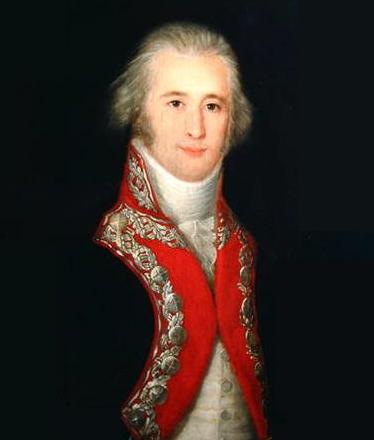
With the support of French King Louis XV, the Spanish crown sent a new governor, Irish-born Alejandro O’Reilly, to suppress the rebellion. O’Reilly arrived with over 20 ships and some 2,000 men, including 160 black militiamen from Cuba.
Realizing they could not resist O’Reilly’s military force, the Creoles quickly urged the people of New Orleans to accept Spanish rule.
Although O’Reilly took possession of New Orleans without bloodshed when he arrived on August 18, 1769, he became known as “Bloody O’Reilly” when he executed some of the insurrectionist leaders.

The Creoles named “Frenchman Street” in New Orleans to honor the insurrectionists O’Reilly executed, although he pardoned far more than he punished.
- Spanish Success1790

Despite initial turmoil, Louisiana prospered under Spain’s administration. New Orleans’ population grew from 400 at the end of the French and Indian War to 6,000 by the 1790s.

Although not as developed as cities in the American colonies like New York or Philadelphia, New Orleans merchants grew wealthy by exporting agricultural products to Europe. Tradesmen like carpenters and blacksmiths found employment building homes for the wealthy. Shopkeepers profited from the growing demands for goods. And government expansion produced more opportunities to work as government officials.
 1770The Boston Massacre
On March 5, 1770, a month after “Bloody” O’Reilly turned Louisiana over to Louis de Unzaga, Louisiana’s next Spanish governor, British soldiers fired into a crowd of American colonists. Five American civilians died and six more were wounded during the incident known as the “Boston Massacre.”
- Spilling the Tea: The Boston Tea Party1773

Three years later, on December 16, 1773, disgruntled colonists dressed like American Indians dumped nearly 350 chests of tea into the Boston Harbor. Nine days later, colonists in Philadelphia sent a British ship back to England without unloading the tea as their form of protest.
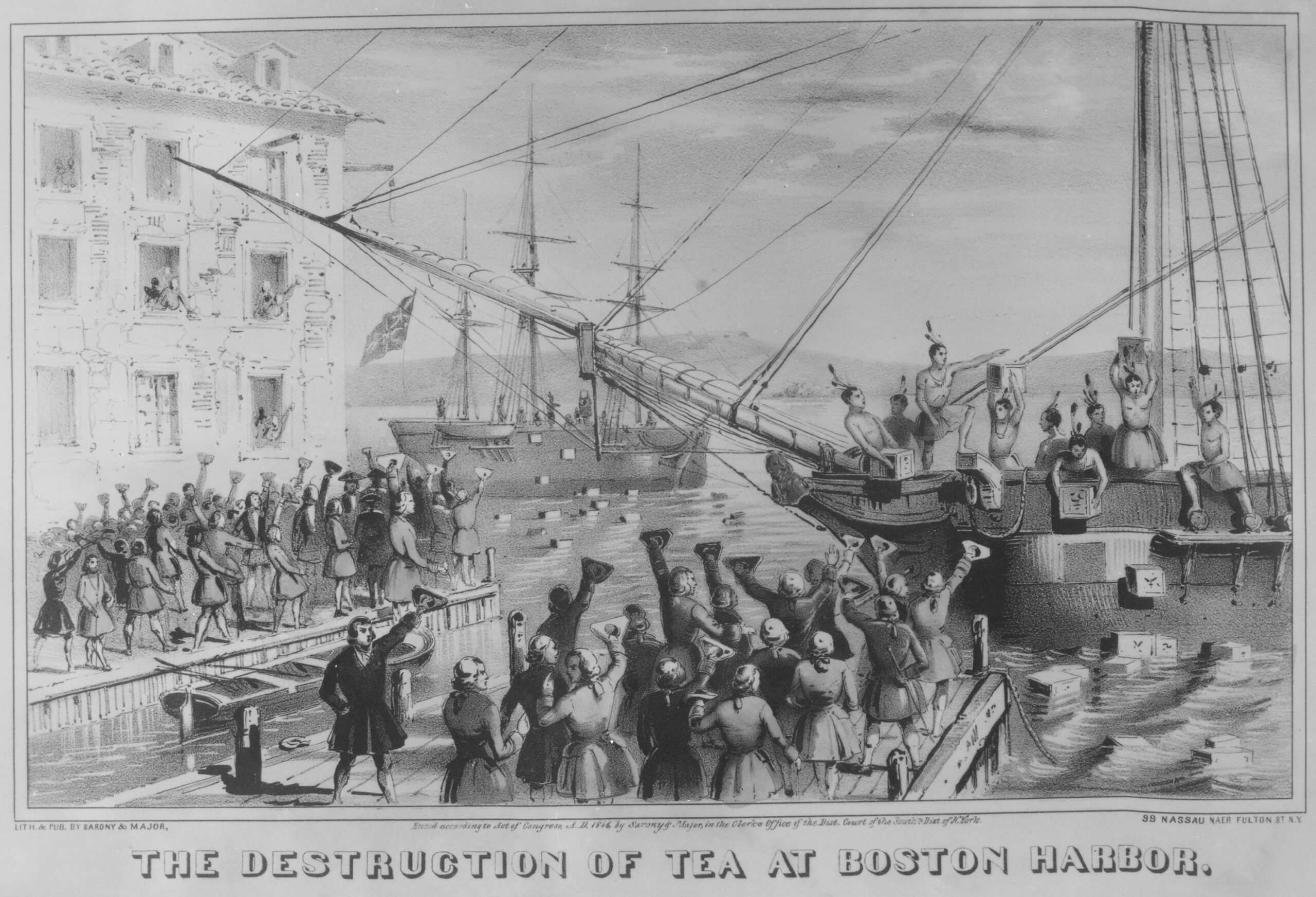
To punish the colonists, the British instated the Intolerable Acts.
- First Continental Congress1774

Although the thirteen original colonies were divided, they also understood the power of unity in achieving independence and created a Continental Congress which met for the first time in 1774.
 1775Shots Fired: Lexington and Concord
Fighting broke out between the colonial patriots and the British Army on April 19, 1775 at Lexington and Concord. As the first major military actions of the War for Independence, these conflicts resulted in an American victory and a strong outpouring of anti-British sentiment.
- Minutemen
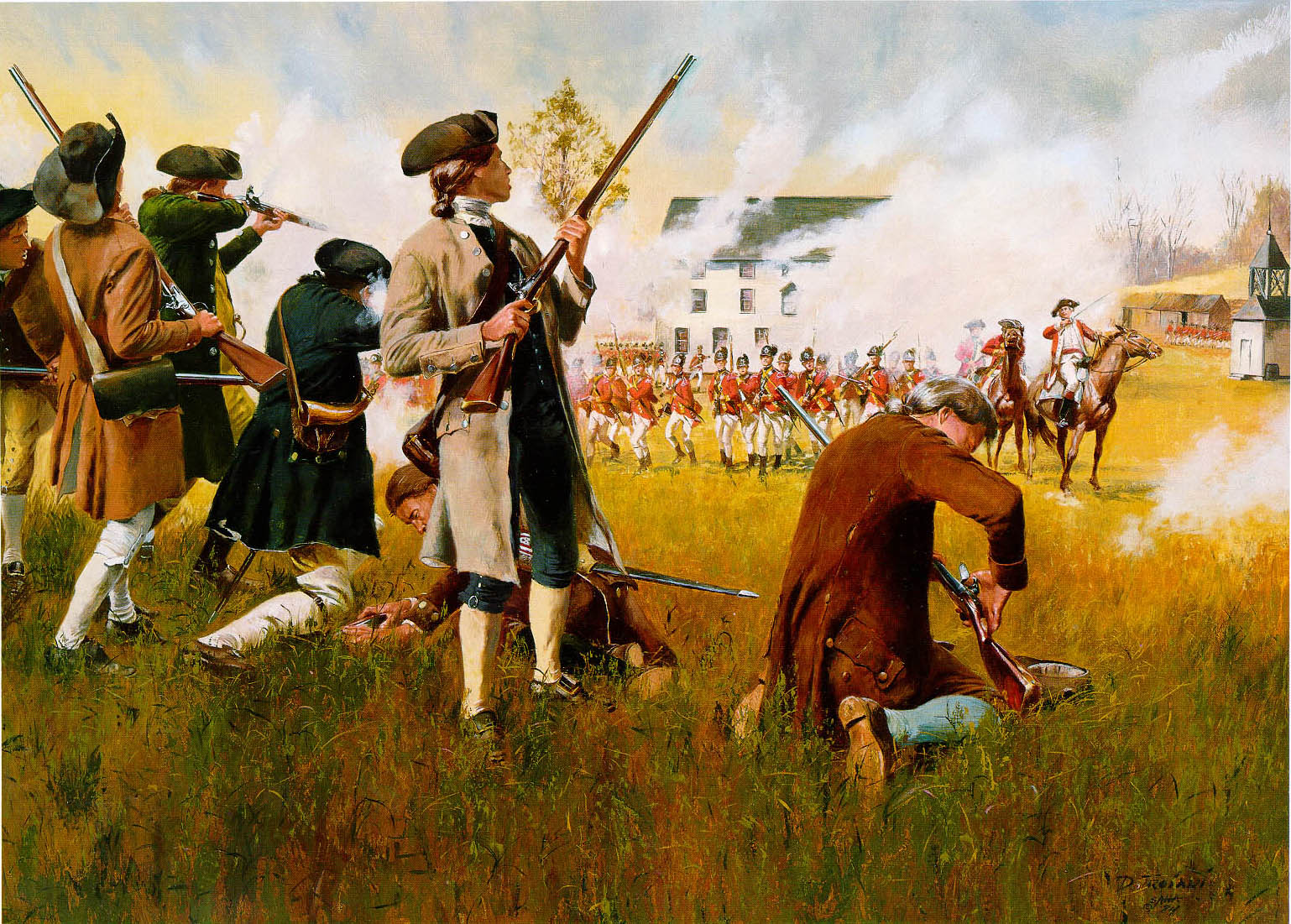
Colonial militias formed minutemen units designed to respond to emergencies at a moment’s notice. Although they trained regularly, they were intended to keep the peace and act in self-defense, not fight as an army. Often viewed as “country bumpkins,” these citizen-soldiers were no match for the British Army, and they knew it.
 Army
ArmyWhen the Second Continental Congress met, they established the Continental Army on June 14, 1775, and appointed George Washington, the French and Indian War’s “Hero of Monongahela,” as Commander-in-Chief.
- Navy
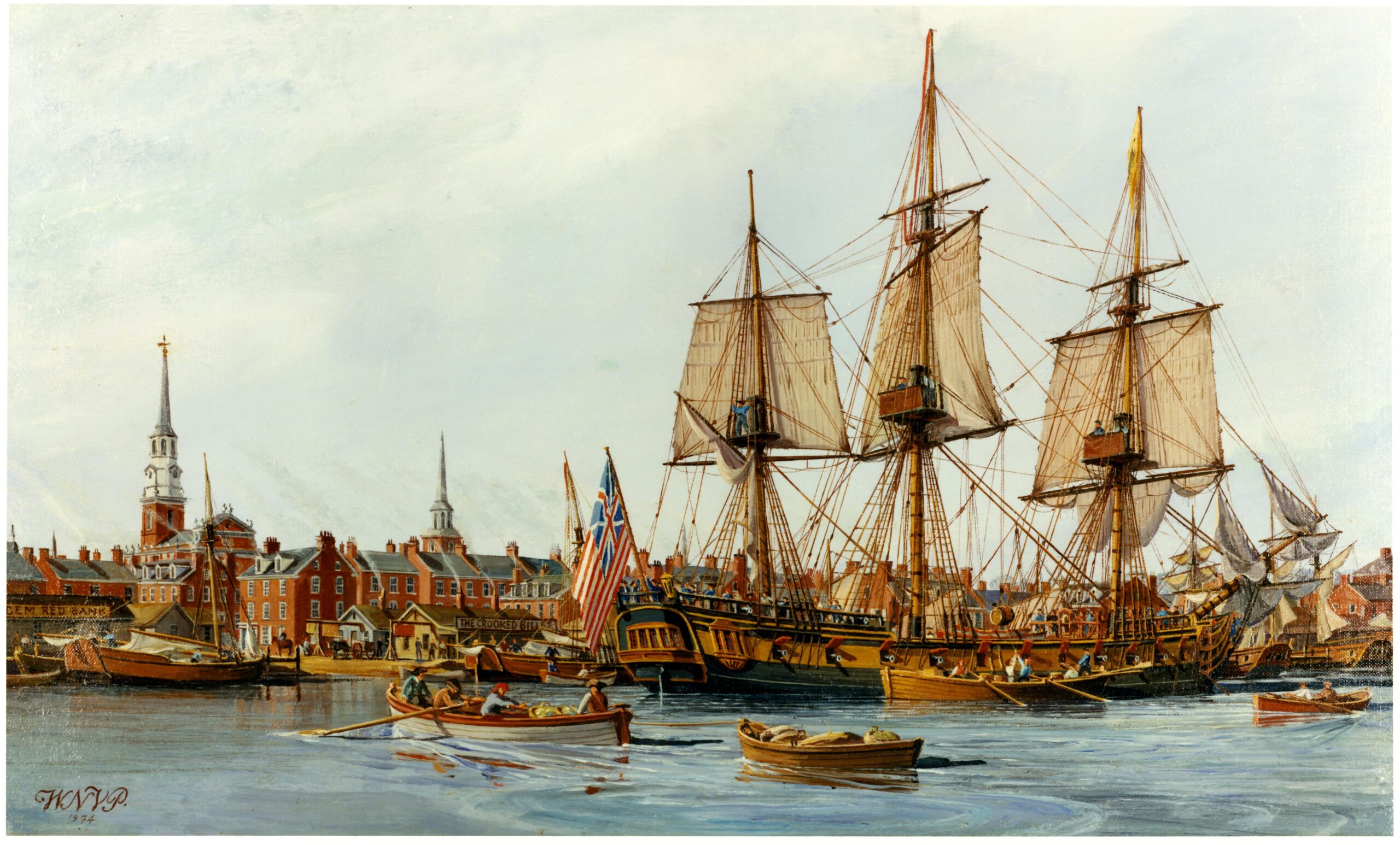
Next, the Continental Congress created the Continental Navy, which consisted of only two armed vessels in August. On October 13, 1775, they renamed it the U.S. Navy.
Realizing they could not resist O’Reilly’s military force, the Creoles quickly urged the people of New Orleans to accept Spanish rule.
Although O’Reilly took possession of New Orleans without bloodshed when he arrived on August 18, 1769, he became known as “Bloody O’Reilly” when he executed some of the insurrectionist leaders.
 Marines
The Continental Marines, later the U.S. Marine Corps, was established on November 10, 1775.
- Benjamin Franklin to the Rescue1775

Benjamin Franklin, one of America’s Founding Fathers, was well-traveled and well-connected in France. On November 29, 1775, he introduced the idea of enlisting foreign aid.
On May 1, 1776, Spain and France secretly agreed to send money and help to the Continental Army.
In 1777, Franklin’s request of 215 cannons, 4,000 tents, 13,000 grenades, 30,000 muskets, bayonets, uniforms, 50,000 balls, and gunpowder was granted.
 1776Declaration of Independence
Having created a permanent military force and bolstered by financial aid and support from France and Spain, the Second Continental Congress unanimously adopted the Declaration of Independence on July 4, 1776, thereby declaring themselves to be a sovereign and independent nation.
The signed Declaration of Independence is on display at the National Archives in Washington, D.C., even though it has faded over time due to poor preservation practices in the 19th century.

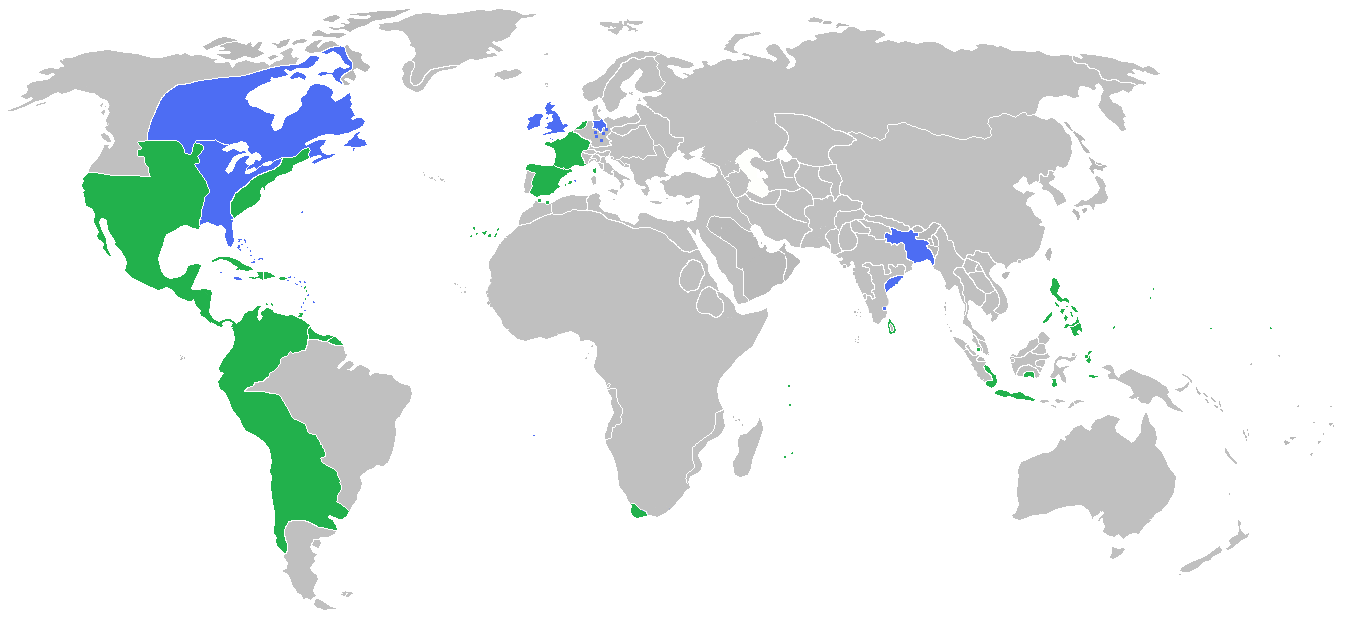 Another Global Conflict
The American War for Independence was truly a global conflict, with Britain’s allies including Loyalists (1/3 of the colonists) and some American Indian tribes.
Enemies of Britain included 1/3 of the American colonists (1775-1783), France (1778-1783), Spain (1779-1783), and many others, including Holland, Ireland, Russia, Denmark-Norway, Portugal, and the Holy Roman Empire, to name just a few.
