
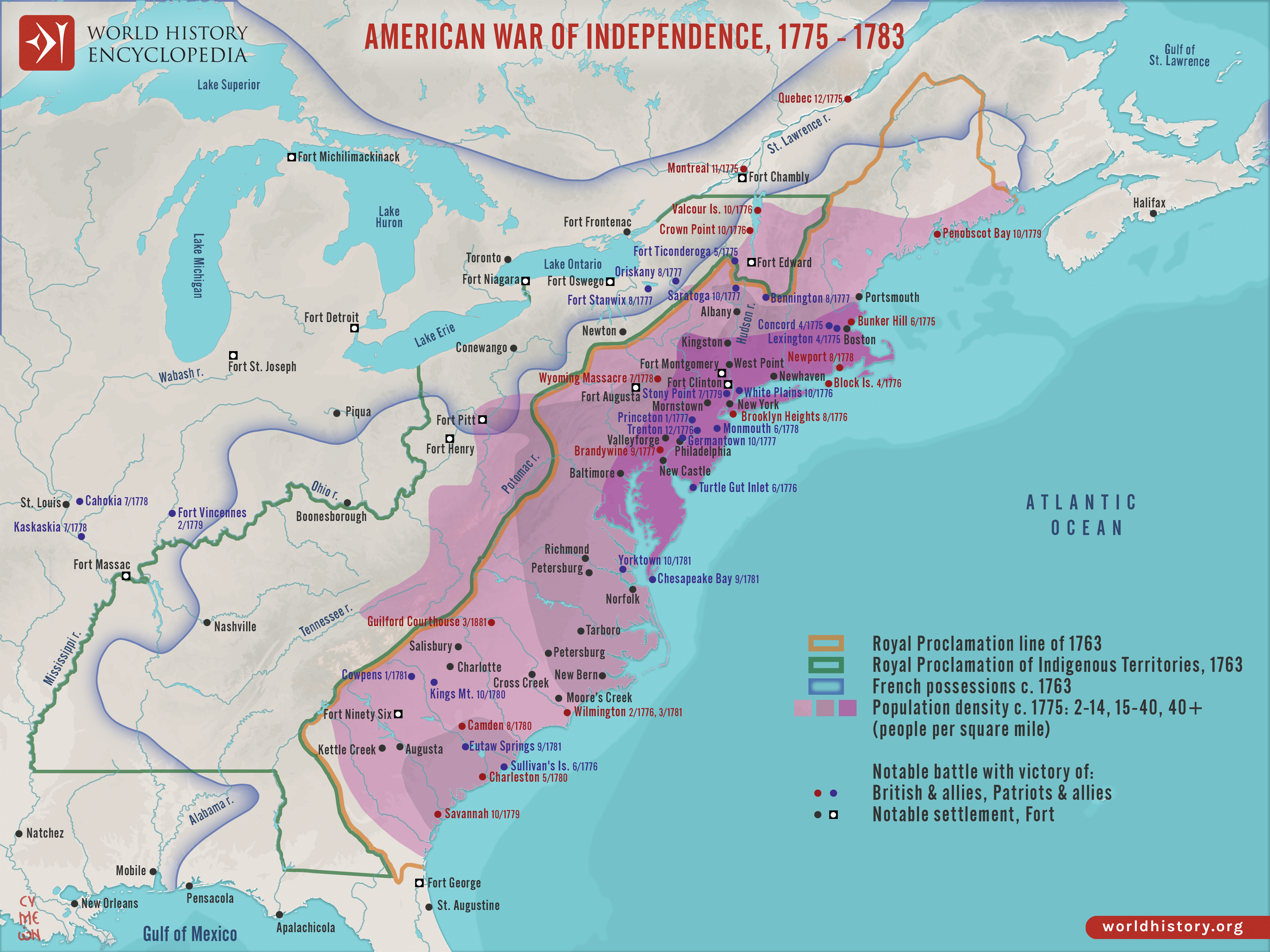
 1775Neutral Neighbors, Secret Allies
Although Spanish Louisiana remained neutral when the American colonists revolted against Great Britain in 1775, she secretly became one of America’s greatest allies.
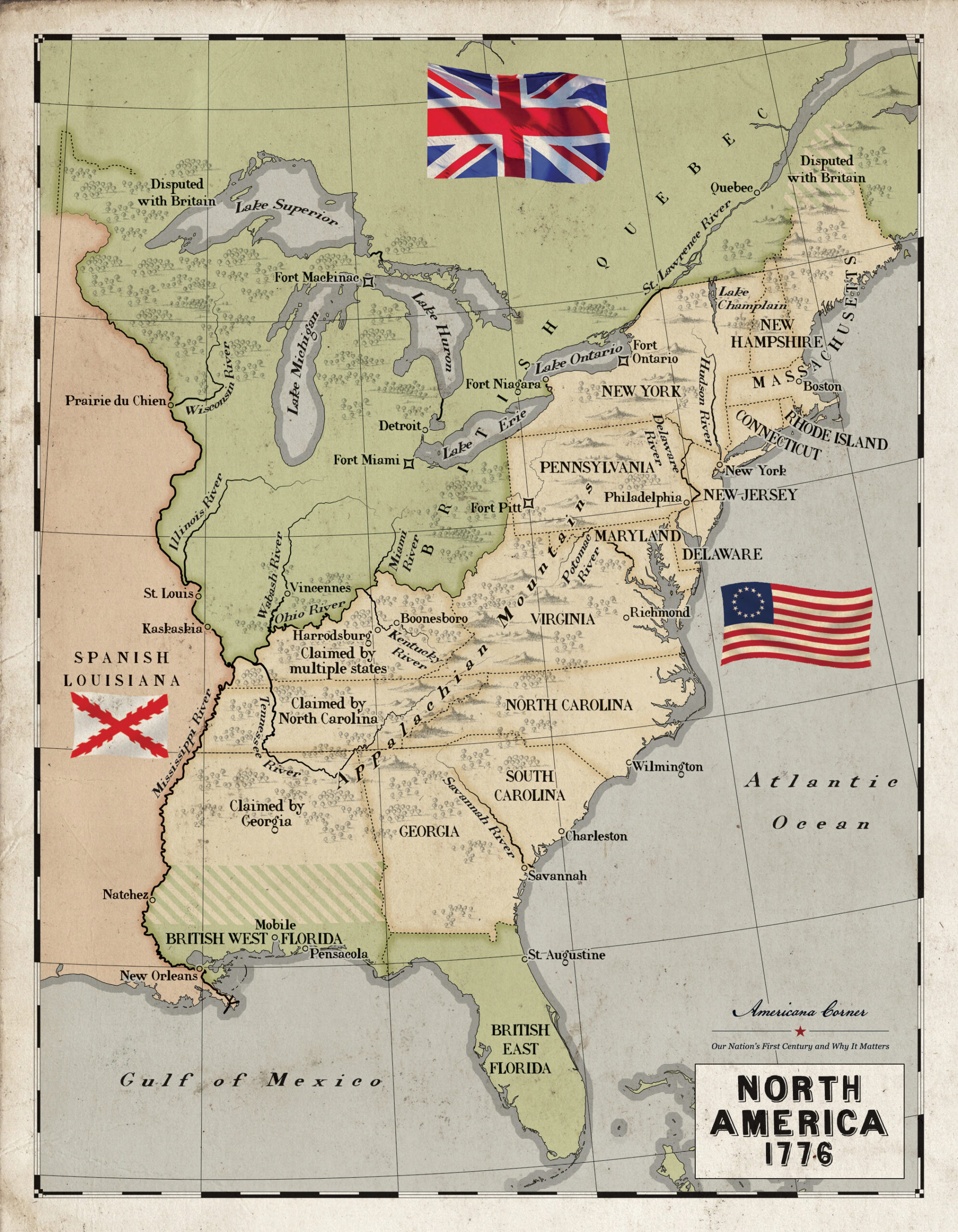
As longtime enemies of the British empire, Spain was more than eager to protect her interests and help weaken or eliminate British control in the New World.
- Luis de Unzaga’s Secret Mission1768

A year after arriving in the colony with O’Reilly to put down the Creole Rebellion of 1768, Luis de Unzaga, a native of Malaga, Spain, was appointed Spain’s fourth governor of Louisiana.
Known for his negotiating prowess, Unzaga became the first Spaniard to provide help to the colonists, even though it was illegal for him to do so at the time. Unzaga not only created a network of spies to confuse the British, he also shipped medicine, blankets, gunpowder, and other necessary supplies to the Americans via the Mississippi and Ohio Rivers under the Spanish flag to help the Americans avoid British detection.
 1776Unzaga Names the USA
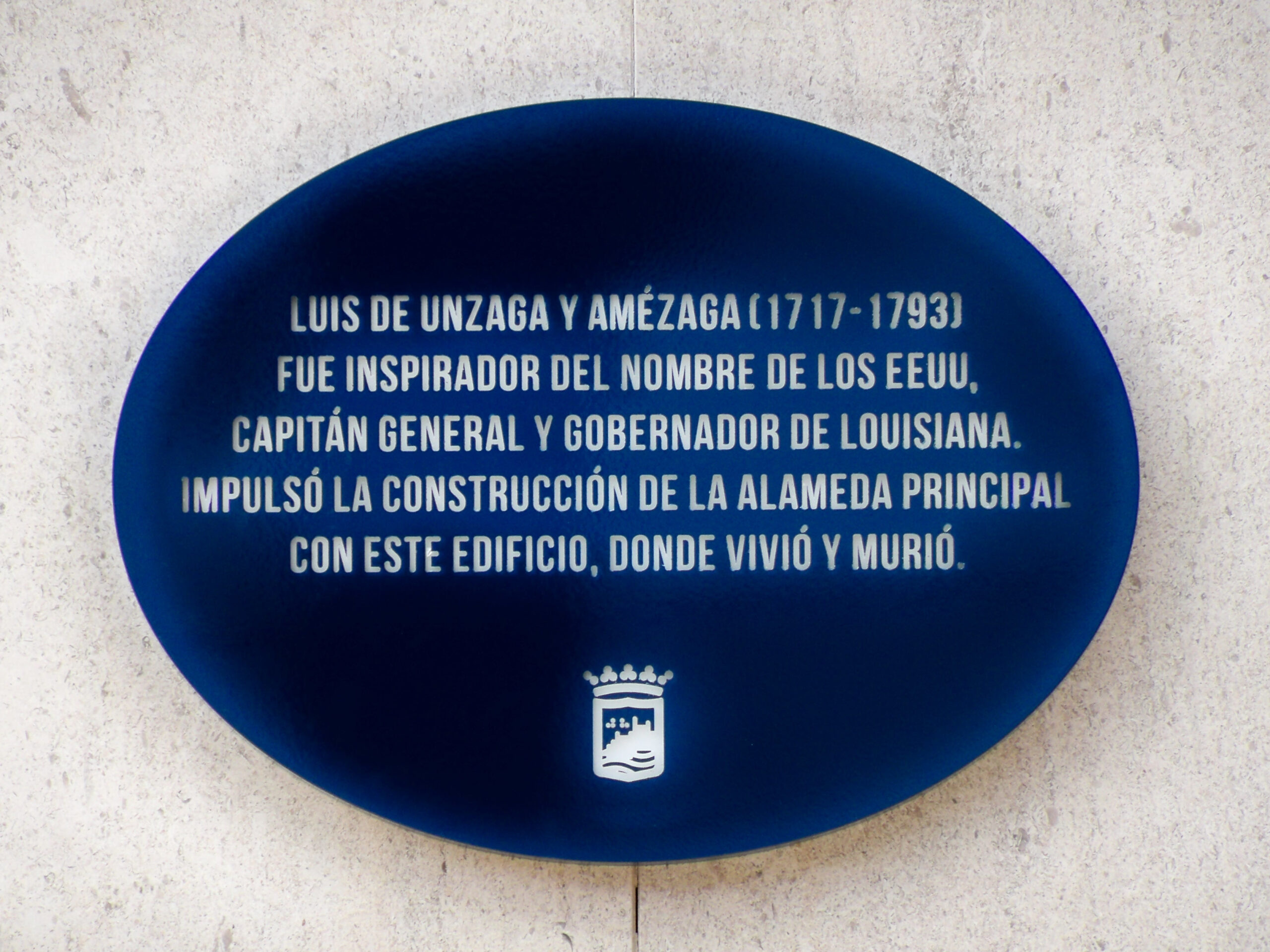
Perhaps Spanish Unzaga’s most enduring contribution to the American cause, however, is the fact that he literally named the United States of America.
In a letter meant for General Lee written in the summer of 1776, Unzaga addressed Lee as “General of the United States of America.” It was the first time the name had been used to describe the Thirteen Original Colonies, and it indicated Unzaga’s belief that the colonists were not just rebels, but rather the founders of a new nation.
George Washington read the same letter, mistakenly believing the message was addressed to him, and said, “He [Unzaga] gives me the title General de los Estados Unidos Americanos.”
On September 9, 1776, the Second Continental Congress officially adopted the name “United States of America.”
- Oliver Pollock- Famine and Fortune
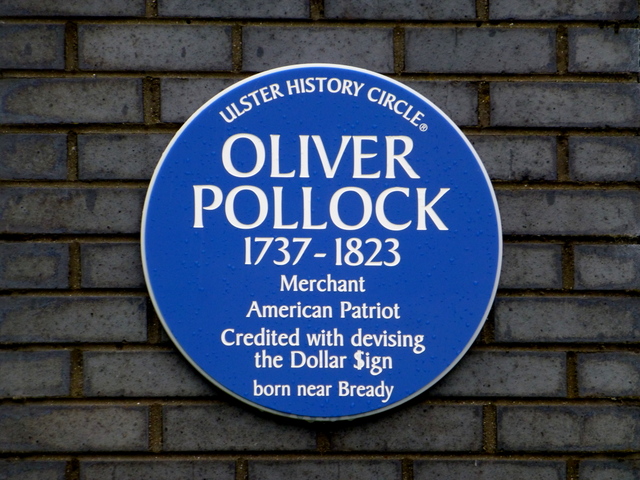
Oliver Pollock, a wealthy American merchant of Irish descent from Philadelphia, settled in New Orleans after the French and Indian War, just as Louisiana transitioned from French to Spanish rule
When New Orleans faced famine, Pollock used his Philadelphia connections to get food shipped to the Crescent City’s starving people. In appreciation, Governor O’Reilly extended free trade rights to Pollock.
Pollock’s friendship with O’Reilly, then Unzaga, as well as his vast fortune, served the American cause well, but came at great personal cost.
 Pollock and the Heavy Price of Patriotism
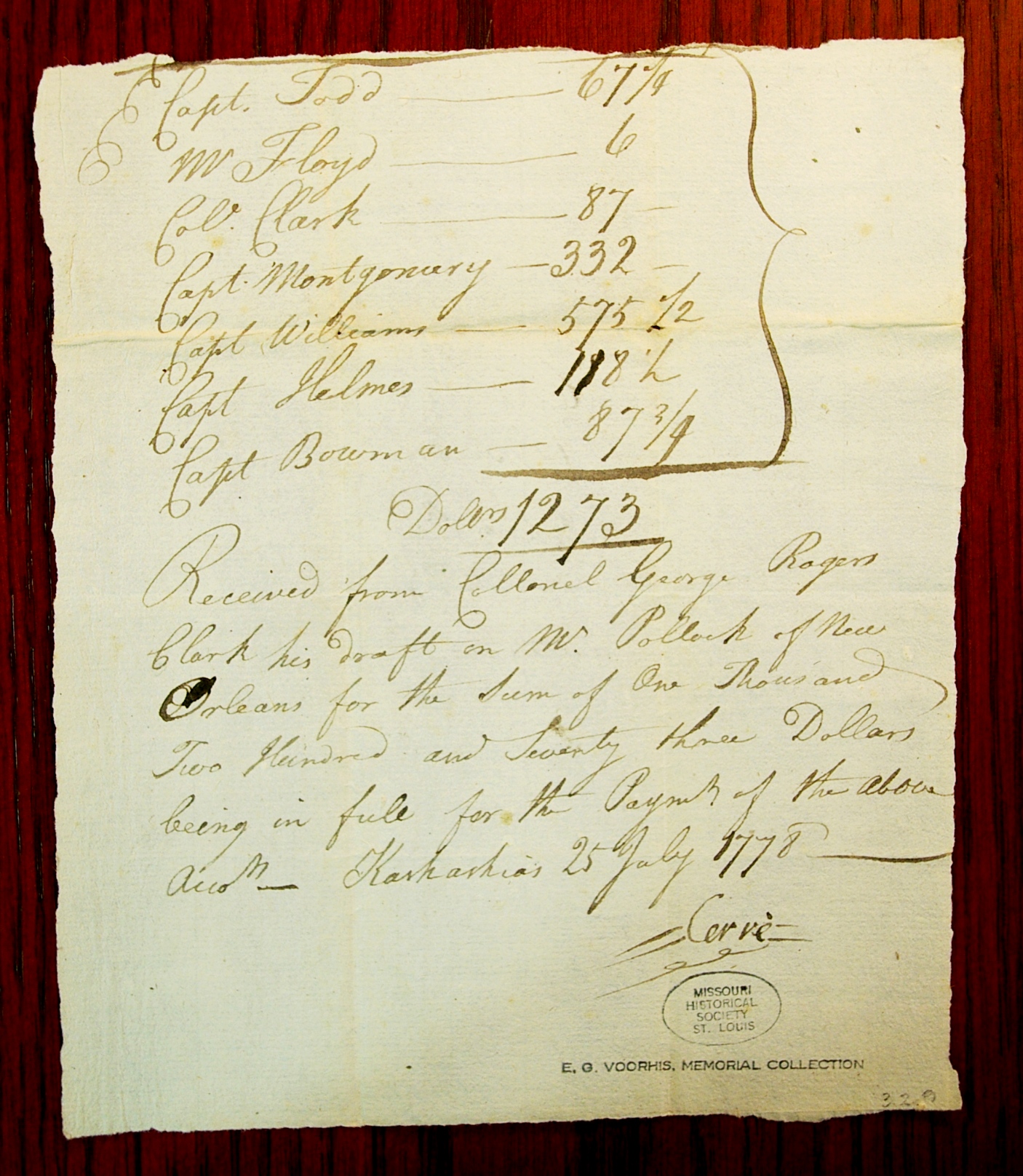
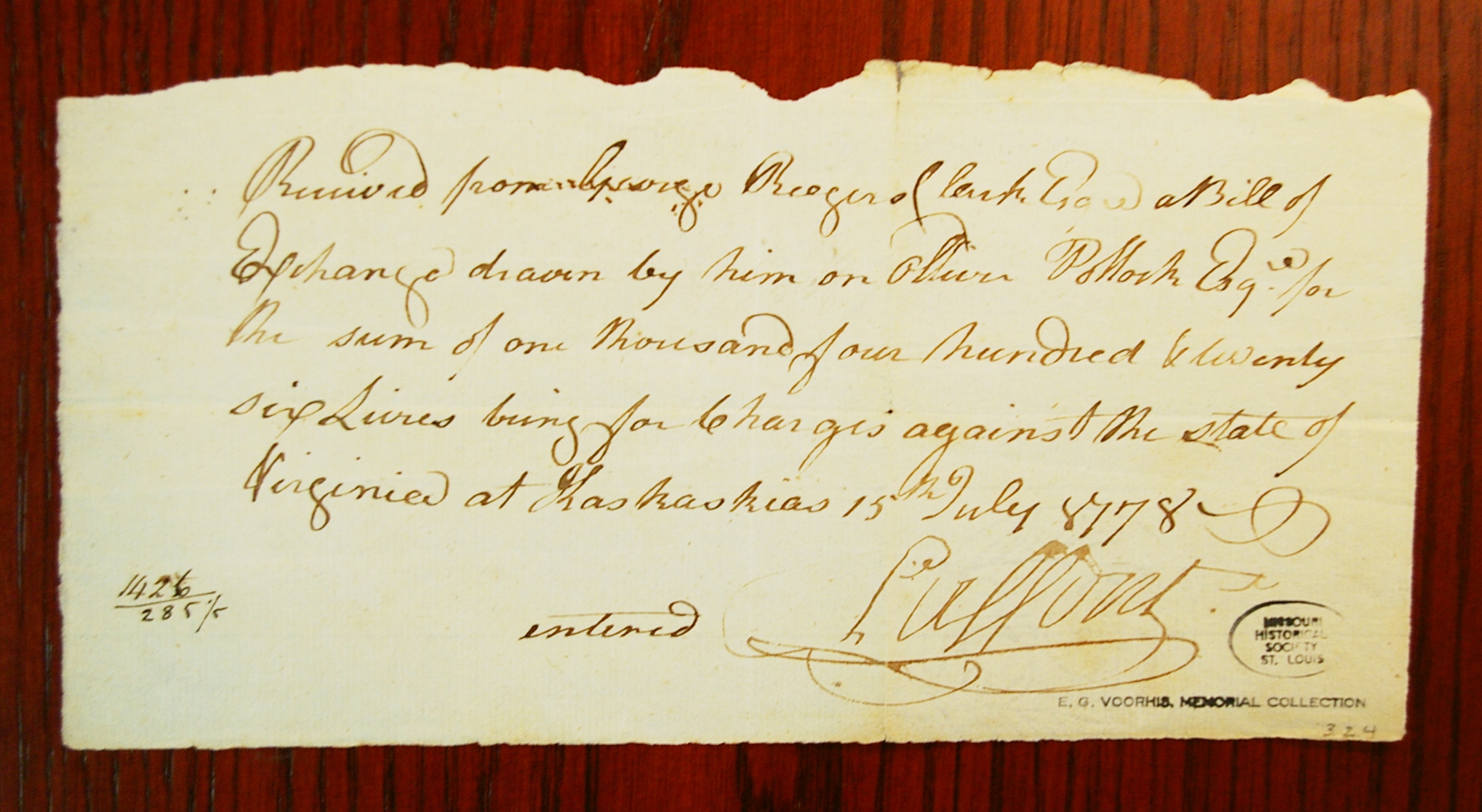
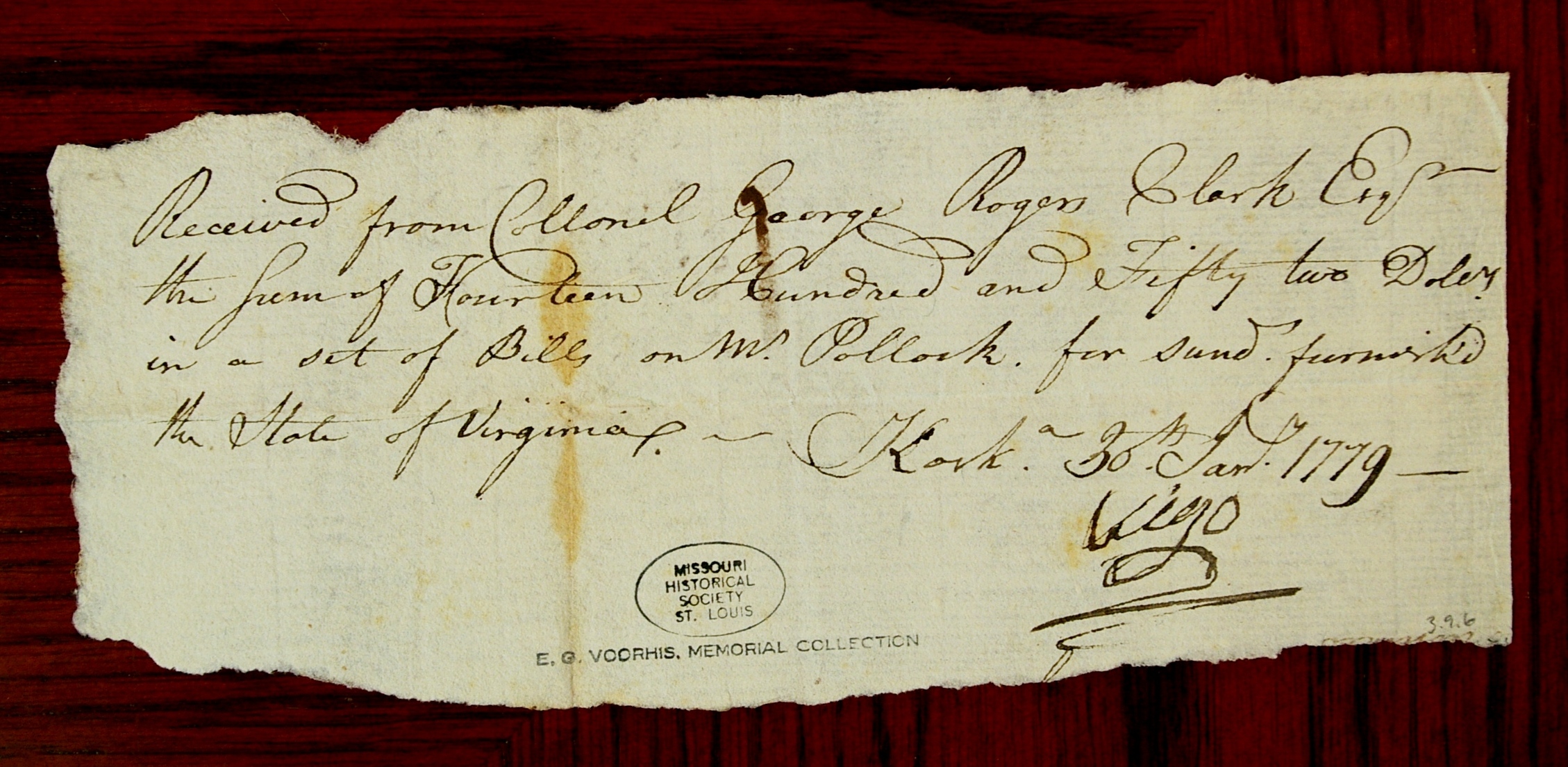
When American agents arrived in New Orleans seeking help, Pollock thought it wise to assist them and encouraged Unzaga to do the same. Almost single-handedly, Pollock financed George Rogers Clark’s successful campaign against the British up the Mississippi River.
When the U.S. government failed to fully reimburse him for his contributions, Pollock was forced to declare bankruptcy. He ended up in debtor’s prison in Cuba, with part of his lost landholdings eventually becoming Louisiana State University (LSU) property in Baton Rouge. A few decades later, all his portraits and personal belongings were burned in a fire during the Civil War.
 Pollock, Inventor of the U.S. Dollar Sign
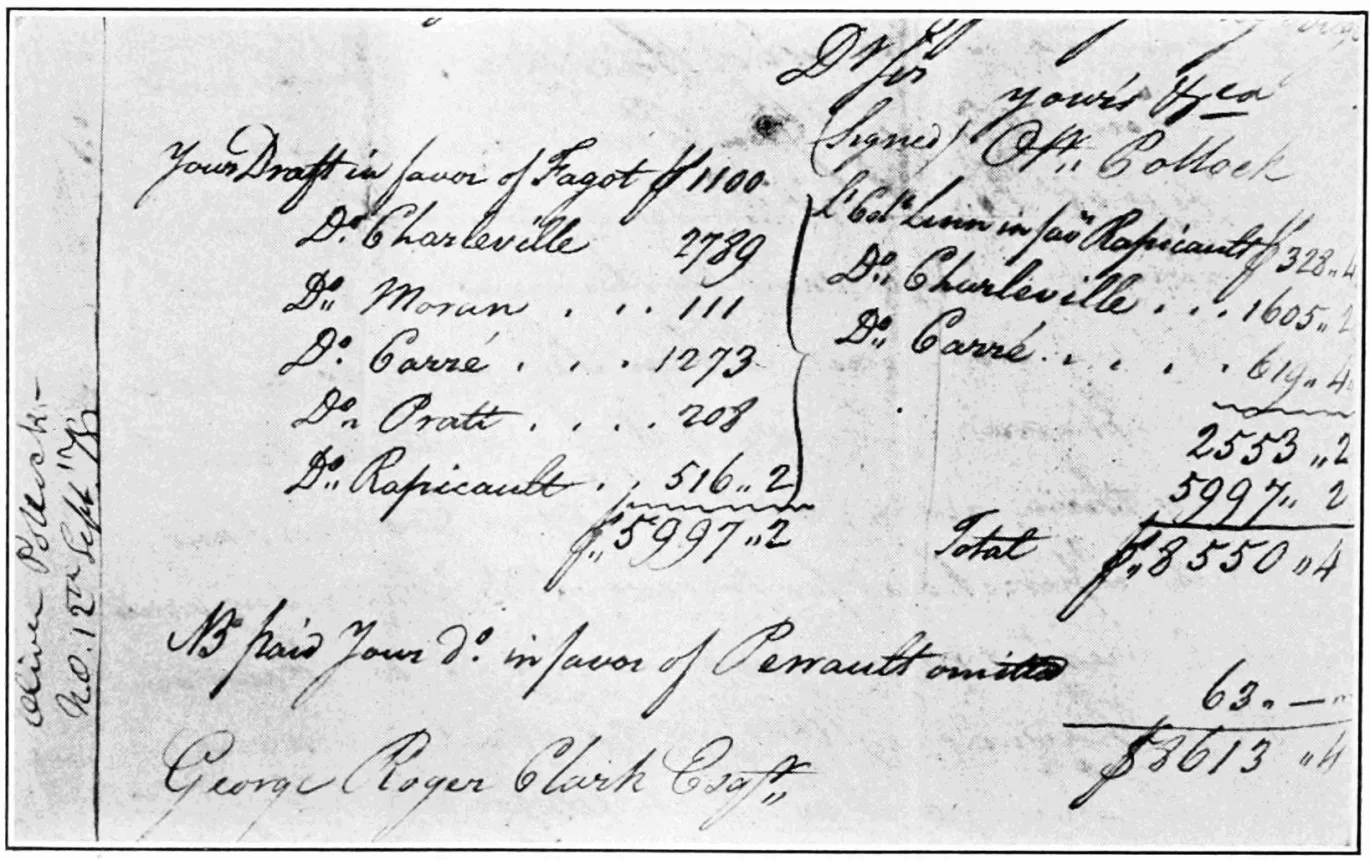
Pollock may have lost his wealth during the Revolutionary War, but he is credited with giving the world the U.S. dollar sign.
In his meticulous legers, his abbreviation for Spanish pesos, or “ps,” the most common currency used in Louisiana during the Spanish period, resembled what came to be recognized as the U.S. dollar sign with vertical lines drawn over an “S.”
Whether Pollock was truly the first person to overlap his “p” and “s” for pesos remains a mystery, but considering his vast contributions to the war effort, it seems fitting to credit him with at least some representation of America’s financial stability and success over the years.

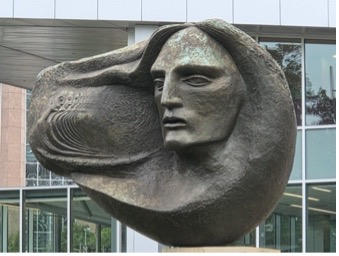
Photo credit: Ashley Franklin Shoptaugh, Education Curator, Louisiana’s Old State Capitol
A Frank Hayden sculpture on the grounds of Louisiana’s Old State Capitol in Baton Rouge commemorates Pollock’s relationship with Spanish Louisiana, as well as his remarkable contributions to the war effort.- Bernardo de Galvez as Colonel of the Louisiana Standing Regiment

In September 1776, Spain sent 9,000 pounds of gunpowder by ship to Pennsylvania, a plan already in motion before the Declaration of Independence was even signed.
Two months later, Spain ordered Bernardo de Galvez, who was appointed Colonel of the Louisiana Standing Regiment, to secretly provide intelligence about the British.
The very next day, Galvez received orders to send approximately $70,000 worth of gunpowder up the Mississippi River to the colonists.
 1777Galvez Becomes Governor
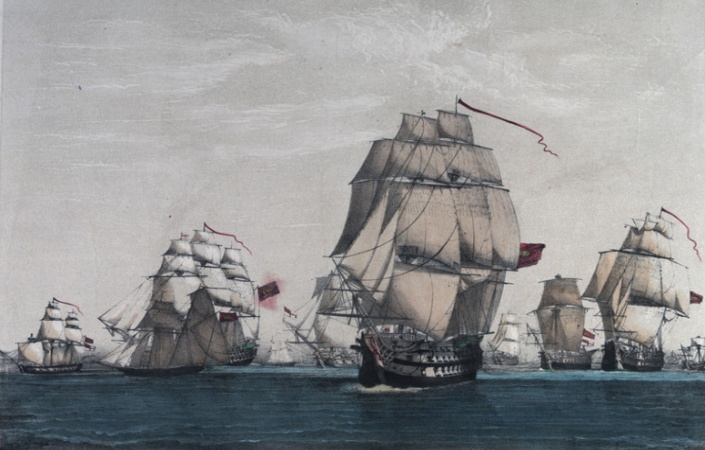
After taking office as Louisiana’s governor in January 1777, six months after the Declaration of Independence was signed, Bernardo de Galvez sent arms and supplies to support the American colonists, confiscated English trading ships along the Mississippi River, and ordered English residents in Louisiana to leave.
- Battle of Saratoga and Spain’s Strengthened Alliance1777
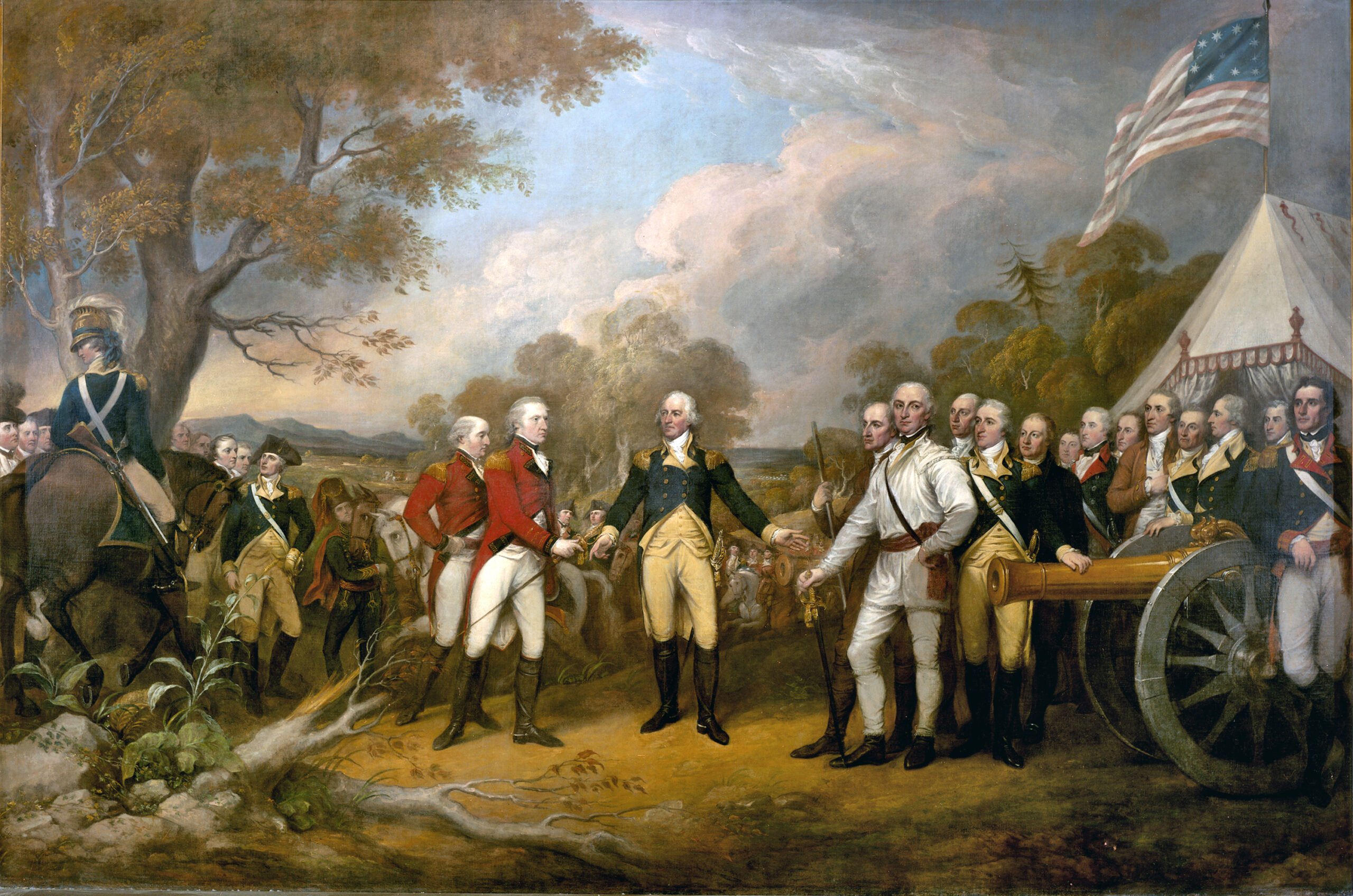
On October 17, 1777, the American colonists won a decisive victory over British General Burgoyne at the Battle of Saratoga.
That same month, Spain and Portugal signed a treaty that cleared up border issues in South America. This treaty not only justified Spain’s increased interest in protecting her North American claims against England, but also solidified her relationship with the American colonists.
 Patrick Henry Writes a Letter
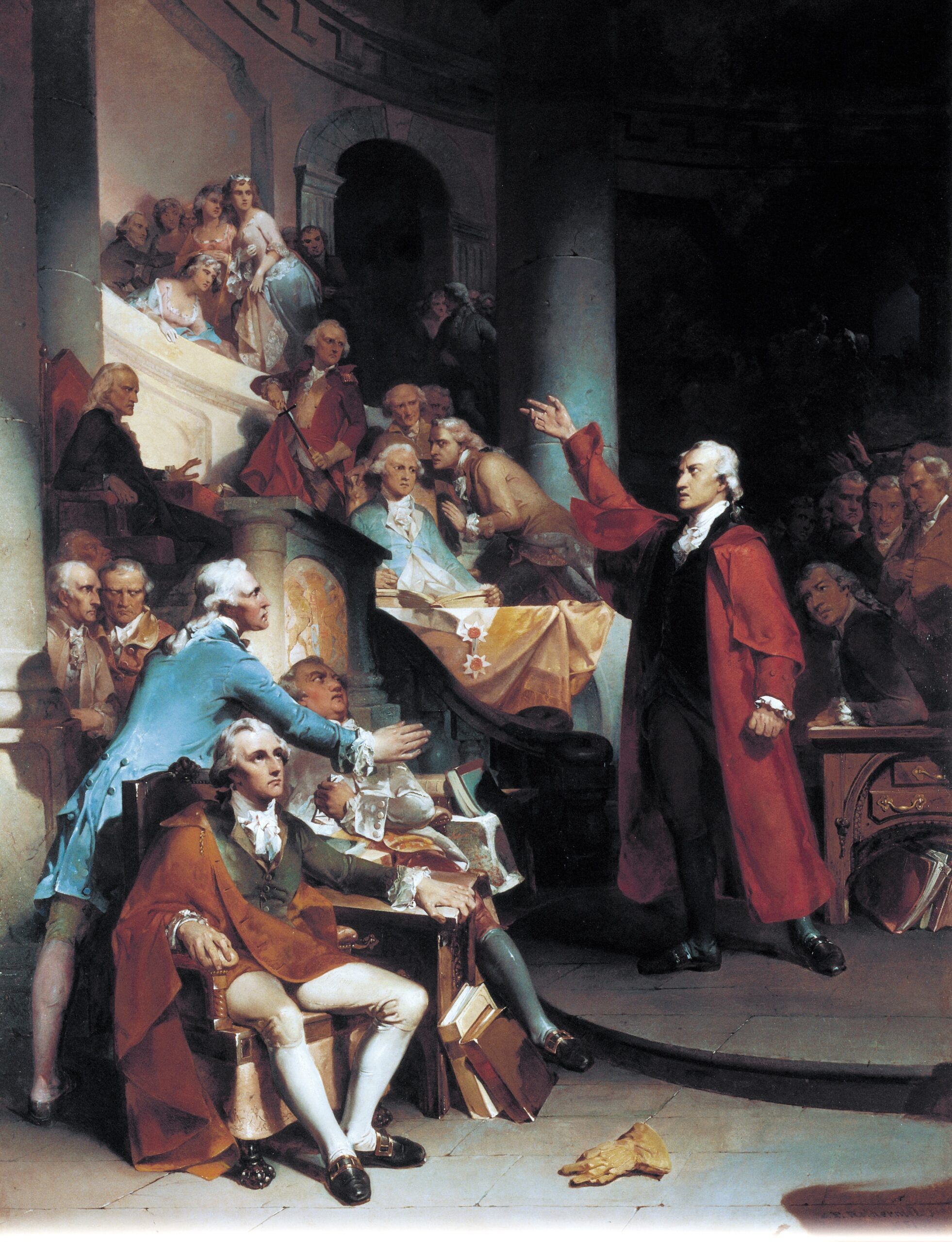
American patriot Patrick Henry, famous for his “give me Liberty or give me Death” speech, wrote two letters to Galvez that October, thanking him for his support, asking for more help, and suggesting that Florida might be returned to Spain following an American victory.
- Galvez Finds Love1777
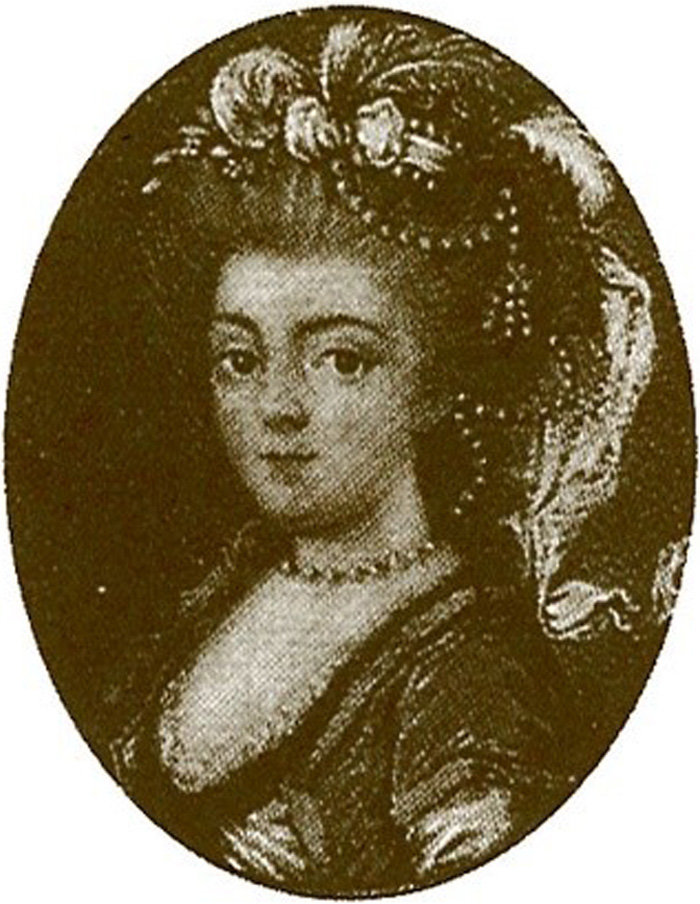
Despite the dual responsibilities of governing Louisiana and strategically assisting the American colonies, Galvez still found time for love.
In November 1777, the Spanish governor won the hearts of Louisiana’s French Creole population by marrying the beautiful 19-year-old Creole widow Felicitas de St. Maxent in New Orleans, who happened to also be the younger sister of Unzaga’s wife.
To circumvent the royal permission necessary for marrying a local woman, Galvez feigned illness to expedite his in articulo mortis marriage ceremony.
 1779Galvez assists George Rogers Clark
Marital bliss, while undoubtedly a welcome distraction, did not lessen Galvez’s assistance to the Americans.
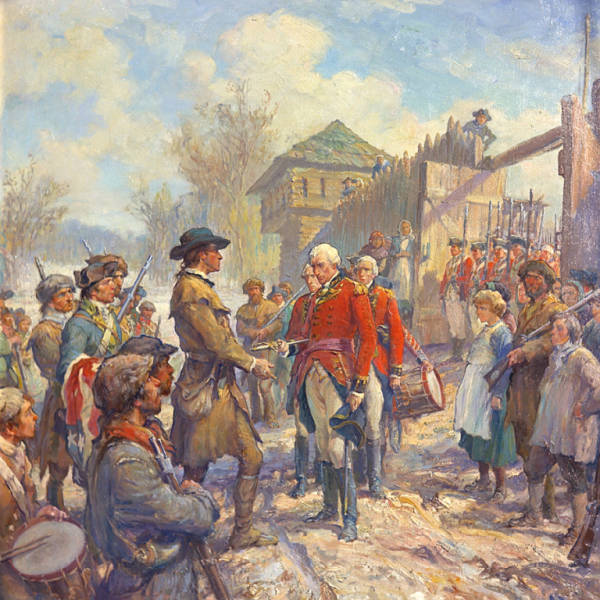
In fact, Galvez, with Pollock’s help, continued sending supplies upriver from New Orleans, enabling Americans like George Rogers Clark to attack the British at Kaskaskia, Cahokia, and Vincennes along the Mississippi River in Illinois and Indiana in 1778-79.
- Conclusion
Spanish Louisiana had remained officially a neutral neighbor to the American colonies, but her interest in halting British expansion, protecting her own colonies, and keeping her promise to support France would eventually compel her to disclose the secrecy of her alliances, gather troops from diverse backgrounds, and declare war against Great Britain.
